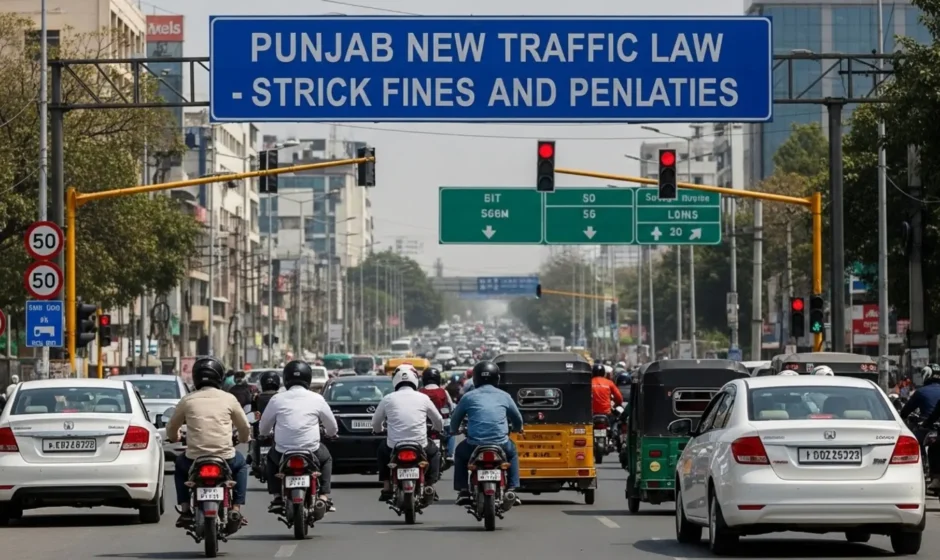

The Punjab Assembly has witnessed a major legislative development that could reshape the culture of traffic in the province—an ordinance introducing strict punishments and heavy fines for traffic violations has been officially presented. This marks one of the most assertive steps taken by the provincial government to address the alarming rise in road accidents, reckless driving, and habitual disregard for traffic laws seen across major cities like Lahore, Rawalpindi, Faisalabad, and Multan.
As the new ordinance makes headlines, it has sparked conversations among motorists, commuters, transport unions, and safety advocates. Many see this move as long overdue, especially considering the surge in fatal accidents over the past few years. This blog breaks down what the ordinance means, why it has become necessary, and how it may shape the future of road safety in Punjab.
Why the Ordinance Was Needed
For years, road safety in Punjab has been a growing concern. Major intersections are often chaotic, traffic signals sometimes feel like suggestions rather than rules, and motorcycles—Pakistan’s most common mode of transport—are frequently operated without helmets, mirrors, licenses, or indicators.
Several studies and safety reports have pointed out:
- A dramatic increase in motorcycle-related accidents
- Underage driving becoming a normalized problem
- Commercial vehicles violating lane rules, speeding limits, and emissions standards
- Pedestrians lacking safe crossings in busy districts
- Daily traffic congestion fueled by reckless behavior and rule-breaking
Against this backdrop, the Punjab government was under pressure to step in. The newly presented ordinance signals the beginning of a serious crackdown on traffic offenders.
What the New Ordinance Includes
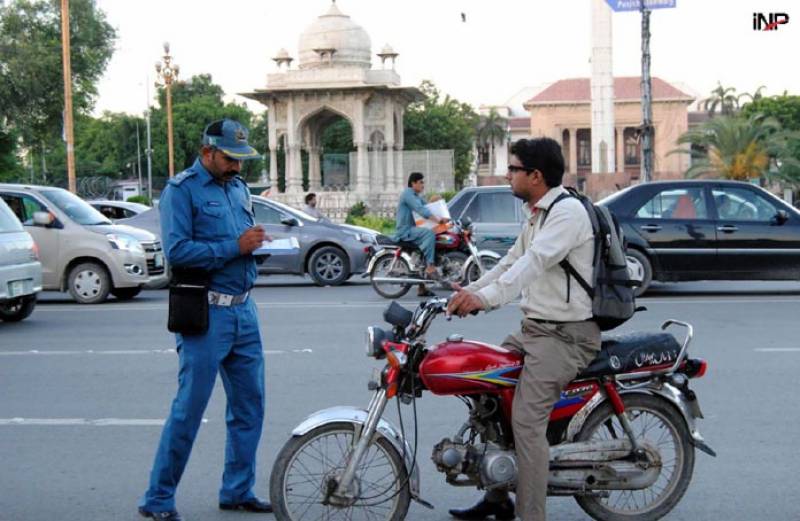
While full implementation details are expected to roll out soon, the highlighted features of the ordinance revolve around heavier penalties, stricter enforcement, and new legal consequences for repeated rule-breakers. Some of the expected measures include:
1. Substantially Higher Fines
The fines for key traffic violations—such as driving without a license, overspeeding, or violating traffic signals—are likely to see a major increase. The idea is simple: if people are not afraid of breaking the rules, the penalty should be significant enough to make them think twice.
2. Jail Terms for Repeat Violators
Habitual offenders, especially those involved in dangerous driving or causing public disruption on the road, may face short-term imprisonment as per the ordinance. This is aimed at discouraging repeated violations.
3. Crackdown on Underage Drivers
With teenage riders and drivers becoming worryingly common, the ordinance proposes strict action against parents and guardians who allow minors to operate vehicles.
4. Enforcement Through Technology
Punjab’s Safe Cities Authority (PSCA) will play a major role by using CCTV, ANPR cameras, and digital ticketing to ensure offenders are caught and fines are enforced without loopholes.
5. Better Regulation of Commercial Transport
Rickshaws, Qingqi bikes, buses, and large carriers—often cited as top contributors to road chaos—will be subject to new rules regarding lane discipline, fitness certificates, and emissions standards.
Public Reaction: Mixed but Hopeful
The announcement has stirred mixed reactions, though many believe it’s a necessary move.
1. Support from Road Safety Advocates
Safety organizations and civil society have widely welcomed the ordinance, calling it a long-awaited measure. They argue that stricter punishments will finally force drivers to follow the rules they previously ignored.
2. Commuters Show Cautious Optimism
Daily drivers and riders appear hopeful but skeptical. Many believe the real challenge will not be the ordinance itself but the implementation. They emphasize that the rules should be applied fairly and consistently—without bias, corruption, or selective enforcement.
3. Transport Unions Express Concerns
Transport groups, particularly those representing rickshaws and commercial vehicles, worry that heavy fines will burden low-income drivers. They have requested the government to introduce a subsidy or awareness campaign before rolling out penalties.
The Bigger Picture: A Push for Cultural Change
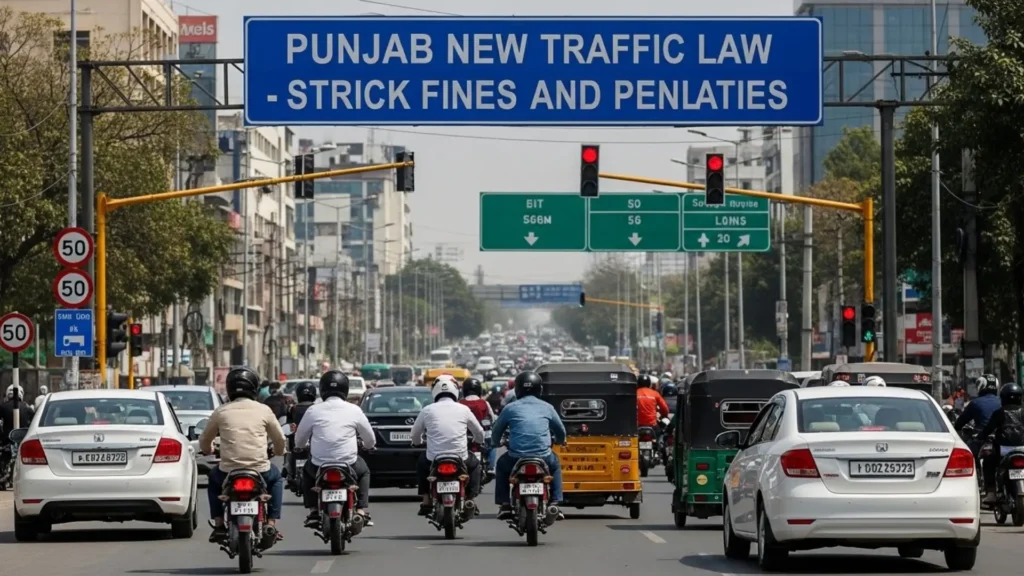
Lahore, the heart of Punjab, has grown beyond the capacity its roads were built for. With thousands of new vehicles hitting the streets every month, the road network is struggling to keep up. Laws like this ordinance are meant not only to control traffic but to spark a larger cultural shift in how people perceive road discipline.
1. Encouraging Respect for Rules
In many developed countries, strict enforcement is the reason road safety indicators are higher. Punjab aims to move toward similar standards by ensuring commuters understand that rules exist for their own protection.
2. Reducing Accident Fatalities
With motorcycles involved in nearly 70% of road accidents in urban Punjab, heavy fines and enforcement could directly reduce fatalities.
3. Making Public Transport Smooth
Lane discipline and speed regulations could ease congestion and improve the flow of buses and ride-hailing services.
Challenges Ahead
A successful ordinance requires more than paper and regulations. Punjab will need to overcome several real-world challenges:
- Ensuring traffic police are well trained and non-corrupt
- Preventing misuse or misinterpretation of the new fines
- Educating the public through media campaigns
- Strengthening road infrastructure to support the laws
- Addressing complaints fairly through helplines and feedback portals
Without a strong implementation strategy, even the most well-intentioned laws risk losing public trust.
A Step Toward a Safer Future
The introduction of this ordinance in the Punjab Assembly signals a strong commitment from the government to address long-standing road safety issues. While debates continue, one thing is clear: Punjab is taking road safety seriously in 2025.
If properly implemented, the ordinance could:
- Save thousands of lives
- Reduce daily accidents
- Make cities more organized
- Build a healthier driving culture
- Encourage responsibility among young riders
For the first time in years, it seems Punjab is ready to reform its roads—and perhaps its mindset too.