


Karachi, Pakistan’s largest and most densely populated city, is currently witnessing a noticeable surge in influenza cases, with health experts pointing to the rapid spread of the H3N2 strain of the influenza virus as the primary cause. Hospitals, clinics, and diagnostic centers across the city are reporting an increasing number of patients presenting flu-like symptoms, raising concerns among healthcare professionals and the general public alike.
As winter conditions persist and seasonal illnesses peak, the spread of H3N2 has highlighted the urgent need for awareness, preventive measures, and timely medical care.
🦠 What Is the H3N2 Influenza Strain?
H3N2 is a subtype of Influenza A, known globally for causing more severe seasonal flu outbreaks, particularly among vulnerable populations such as:
- Elderly individuals
- Children
- People with chronic illnesses
- Those with weakened immune systems
Compared to other flu strains, H3N2 is associated with higher hospitalization rates and more intense symptoms, making its spread in a megacity like Karachi especially concerning.
Medical experts emphasize that while H3N2 is not new, its current spread appears faster and more widespread, likely due to environmental conditions and increased human interaction.
📈 Rising Cases Across Karachi
Healthcare facilities across Karachi — including public hospitals and private clinics — have reported a sharp increase in influenza-related patients over recent weeks. Many patients initially dismiss symptoms as a common cold, only seeking medical help once their condition worsens.
Doctors report that outpatient departments are seeing:
- Persistent high fever
- Severe body aches
- Dry cough and sore throat
- Fatigue lasting several days
- Shortness of breath in severe cases
In some instances, patients have required hospitalization due to complications such as pneumonia or secondary infections.
🌆 Why Karachi Is Especially Vulnerable
Several factors make Karachi particularly susceptible to rapid influenza spread:
🏙️ High Population Density
With millions of residents living in close quarters, viruses can spread quickly through public transport, offices, schools, and markets.
🌬️ Seasonal Weather Conditions
Cooler temperatures and dry air create an environment where respiratory viruses survive longer and spread more easily.
😷 Low Preventive Practices
Health experts note that mask usage, hand hygiene, and flu vaccination rates remain low, especially among younger populations who often underestimate seasonal flu risks.
🚦 Heavy Daily Movement
Karachi’s constant flow of commuters and intercity travel increases exposure and transmission.
🏥 Impact on Healthcare System
The surge in influenza cases has placed additional strain on Karachi’s healthcare infrastructure. Emergency rooms and clinics are managing an influx of patients with respiratory symptoms, making triage and early diagnosis critical.
Doctors have also raised concerns about self-medication, with many people using antibiotics unnecessarily — a practice that is ineffective against viral infections and contributes to antibiotic resistance.
Medical professionals stress that influenza is a viral illness, and treatment typically focuses on symptom management, hydration, rest, and antiviral medication when prescribed early.
⚠️ Symptoms to Watch For
Health authorities urge residents to seek medical attention if they experience:
- Fever lasting more than 2–3 days
- Persistent cough or chest discomfort
- Difficulty breathing
- Severe weakness or dizziness
- Symptoms worsening instead of improving
Early diagnosis can help prevent complications and reduce further transmission.
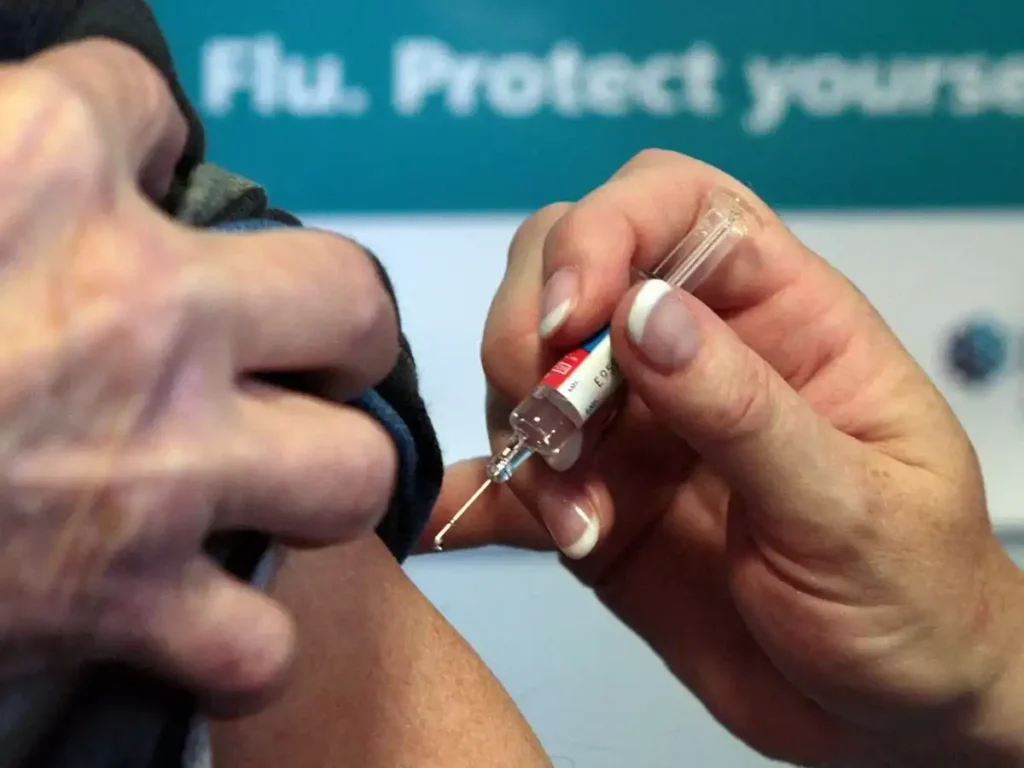
💉 Vaccination: A Key Line of Defense
Experts strongly recommend seasonal flu vaccination, especially for high-risk groups. While vaccination may not completely prevent infection, it significantly:
- Reduces severity of illness
- Lowers hospitalization risk
- Protects vulnerable populations
The current flu vaccines are designed to provide protection against circulating strains, including H3N2, making immunization a crucial preventive tool during this surge.
🧼 Preventive Measures for the Public
To control the spread of influenza in Karachi, health experts advise adopting simple but effective habits:
✔ Wash hands frequently with soap or sanitizer
✔ Wear masks in crowded or poorly ventilated spaces
✔ Avoid close contact with sick individuals
✔ Cover mouth and nose when coughing or sneezing
✔ Stay home if experiencing flu symptoms
✔ Maintain proper hydration and nutrition
These measures not only protect individuals but also reduce community-wide transmission.
🗣️ Public Awareness and Responsibility
One of the biggest challenges during flu season is public complacency. Many residents consider influenza a minor illness, ignoring early symptoms and continuing daily routines — inadvertently spreading the virus.
Health professionals emphasize that responsible behavior, such as taking sick leave and avoiding crowded spaces when ill, plays a critical role in controlling outbreaks.
Community awareness campaigns, workplace policies supporting sick leave, and school-level health education can significantly reduce infection rates.
📊 Difference Between Flu, Cold, and COVID-19
Doctors also caution against confusion between influenza, the common cold, and COVID-19. While symptoms may overlap, influenza — particularly H3N2 — tends to cause:
- Higher fever
- More intense body aches
- Sudden onset of symptoms
Testing and medical evaluation are recommended to ensure accurate diagnosis and appropriate care.

🔮 What Lies Ahead?
Health experts expect influenza cases to remain elevated for the coming weeks, especially if preventive measures are not widely adopted. However, with timely vaccination, public cooperation, and responsible healthcare practices, the surge can be managed effectively.
Authorities may also increase surveillance and awareness efforts to monitor trends and guide public response.
Conclusion
The influenza surge in Karachi, driven by the spread of the H3N2 strain, serves as a reminder that seasonal illnesses should not be taken lightly. In a city as large and interconnected as Karachi, individual health choices directly impact community well-being.
By staying informed, recognizing symptoms early, and adopting preventive measures, residents can protect themselves and help curb the spread of the virus. As healthcare providers continue to manage the rising caseload, public awareness and cooperation remain the strongest tools in navigating this seasonal health challenge.
Staying cautious today can prevent serious complications tomorrow — because when it comes to influenza, prevention is always better than cure.