

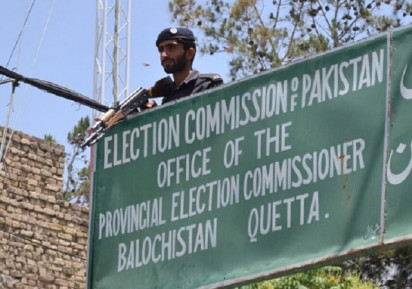
The Election Commission of Pakistan (ECP) has taken a firm and decisive stance by rejecting the request of Balochistan Chief Minister Mir Sarfaraz Bugti to delay the long-overdue local government (LG) elections in Quetta. With this decision, the ECP has clarified that the polls in the provincial capital will be held as scheduled on December 28, ending years of uncertainty surrounding grassroots democracy in the city.
These local government elections have remained pending since 2022, making the ECP’s move a significant milestone in restoring constitutional governance and local representation in Balochistan’s largest urban center.
Background: Why Quetta LG Polls Matter
Local government elections form the foundation of democratic governance, empowering citizens at the grassroots level. Through elected local bodies, residents gain representation on critical issues such as:
- Municipal services
- Sanitation and water supply
- Urban planning
- Education and healthcare facilities
- Community development
In Quetta, the absence of elected local representatives for more than two years has created a governance vacuum, leaving administrative affairs largely in the hands of appointed officials rather than elected leaders accountable to the public.
The Delay Plea and ECP’s Firm Response
Chief Minister Mir Sarfaraz Bugti had appealed to the ECP to postpone the local government elections, citing administrative and political concerns. However, the Election Commission rejected the plea, emphasizing that constitutional obligations cannot be delayed indefinitely.
The ECP stated that:
- All necessary preparations have been completed
- The legal framework for elections is in place
- Any further delay would violate constitutional principles
By ordering the polls to proceed on December 28, the commission reaffirmed its authority and independence, sending a clear message that electoral timelines must be respected.
Elections Pending Since 2022: A Democratic Gap
The prolonged delay of Quetta’s local government elections has been a subject of criticism from civil society, legal experts, and political analysts. Since 2022:
- Citizens have lacked direct representation at the local level
- Decision-making has remained centralized
- Accountability mechanisms have weakened
- Public trust in governance has eroded
The ECP’s decision is widely viewed as an effort to close this democratic gap and restore people’s confidence in the electoral process.
Political Significance of the Decision
The ruling carries substantial political weight in Balochistan, a province already grappling with complex governance challenges. Analysts believe the ECP’s move reflects:
- A push toward institutional stability
- Strengthening of democratic norms
- Resistance against political pressure
- Commitment to rule of law
For political parties, the decision signals that they must now accelerate campaign preparations, mobilize voters, and present workable local governance agendas.
Impact on Quetta’s Residents
For the people of Quetta, the announcement brings renewed hope. Residents have long expressed frustration over issues such as:
- Poor sanitation and waste management
- Water shortages
- Crumbling infrastructure
- Traffic congestion
- Limited civic engagement
Elected local representatives are expected to play a crucial role in addressing these everyday problems, ensuring that voices from neighborhoods and communities reach decision-making platforms.
ECP’s Role in Upholding Democracy
The Election Commission of Pakistan has increasingly asserted its constitutional mandate to conduct free, fair, and timely elections. By rejecting the delay plea, the ECP demonstrated:
- Institutional independence
- Commitment to democratic continuity
- Resistance to political interference
- Adherence to constitutional deadlines
Legal experts note that such decisions strengthen Pakistan’s electoral framework and discourage future attempts to delay democratic processes.
Challenges Ahead
Despite the clear directive, several challenges remain:
- Security concerns in certain areas
- Voter turnout, especially among youth and women
- Administrative coordination between provincial and election authorities
- Political polarization, which could affect campaign conduct
The success of the Quetta LG polls will depend on effective collaboration between the ECP, provincial administration, law enforcement agencies, and political stakeholders.
Political Parties Gear Up
With the December 28 date confirmed, political parties are expected to intensify their campaigns. Local elections often differ from national polls, focusing more on:
- Community-based issues
- Personal credibility of candidates
- Development-oriented agendas
- Grassroots engagement
Observers believe these elections could reshape local power dynamics in Quetta and influence broader political trends in Balochistan.
Public Expectations and Civic Responsibility
The announcement has sparked renewed discussion among citizens about the importance of civic participation. Voter awareness campaigns are crucial to ensure:
- Maximum turnout
- Peaceful polling
- Informed voting decisions
Civil society organizations have urged residents to actively participate, emphasizing that local governments are the closest tier of democracy to the people.
A Step Toward Democratic Stability
The ECP’s decision to proceed with the Quetta LG elections represents more than just a scheduled vote—it symbolizes a commitment to democratic stability and constitutional order. For a province often affected by political uncertainty, holding local elections on time can help strengthen governance structures from the ground up.
Conclusion
By rejecting the delay plea and ordering Quetta’s local government elections on December 28, the Election Commission of Pakistan has reaffirmed the principle that democracy cannot remain on hold. With polls pending since 2022, the decision restores momentum toward grassroots representation, accountability, and public participation.
As Quetta prepares to head to the polls, the responsibility now lies with political parties, election authorities, and citizens to ensure a peaceful, transparent, and inclusive electoral process. If conducted successfully, these elections could mark a turning point for local governance in Balochistan, strengthening democratic institutions and bringing decision-making closer to the people.