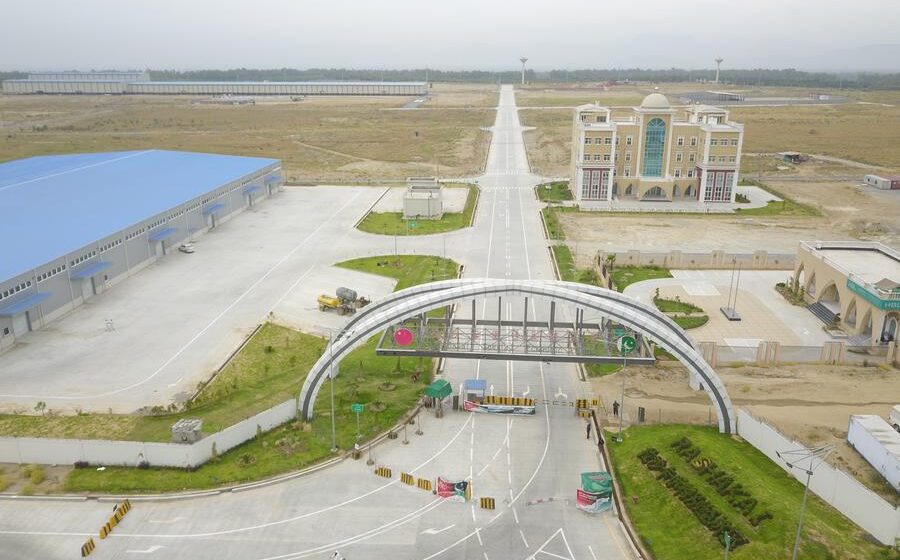

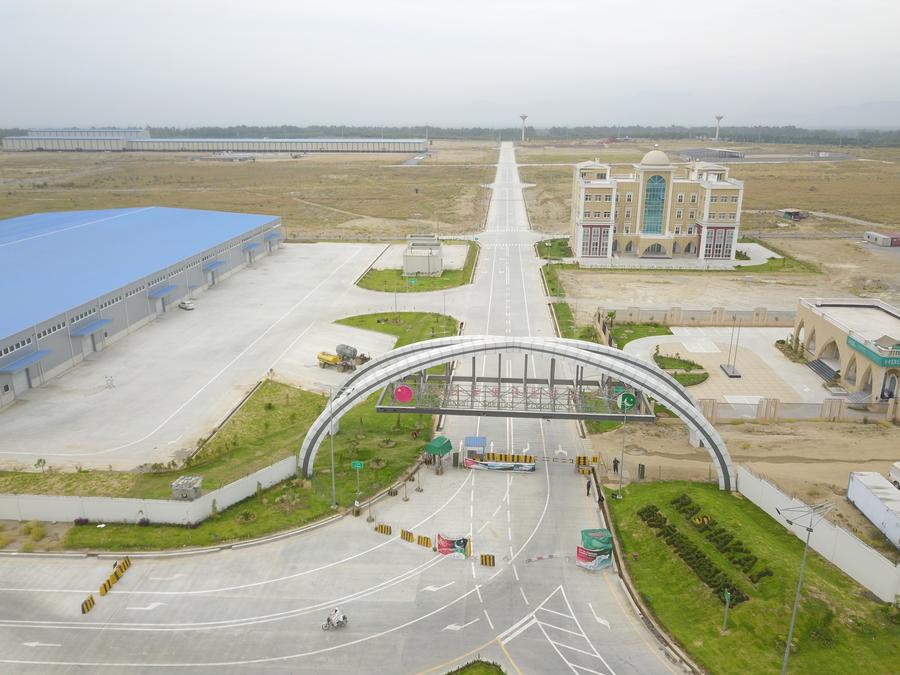
Pakistan’s economic landscape is undergoing a significant transformation, with industrial growth emerging as a central pillar of national development. At the heart of this shift lies the China–Pakistan Economic Corridor (CPEC), particularly its Special Economic Zones (SEZs), which are designed to accelerate industrialization, attract foreign investment, create jobs, and strengthen exports. Among these, Rashakai Special Economic Zone in Khyber Pakhtunkhwa and Allama Iqbal Industrial City in Punjab stand out as flagship projects shaping Pakistan’s industrial future.
These SEZs represent a strategic move away from consumption-led growth toward production-driven economic expansion, positioning Pakistan as a competitive manufacturing and trade hub in the region.
CPEC and the Shift Toward Industrialization
Initially, CPEC focused heavily on infrastructure development—roads, energy projects, and connectivity. While these investments were crucial, Pakistan’s long-term economic sustainability depends on industrial growth, value addition, and exports. Recognizing this, policymakers redirected attention toward SEZs in CPEC’s second phase.
Special Economic Zones offer businesses a conducive environment through tax incentives, modern infrastructure, simplified regulations, and access to regional and global markets. For Pakistan, SEZs are not just industrial parks—they are engines of economic restructuring.
Rashakai Special Economic Zone: Gateway to Central Asia
Located near the M-1 Motorway in Khyber Pakhtunkhwa, Rashakai Special Economic Zone holds immense strategic importance. Its proximity to Afghanistan, Central Asia, and China gives it a unique advantage in regional trade and logistics.
Rashakai SEZ is designed to host industries such as:
- Textiles and garments
- Food processing
- Pharmaceuticals
- Engineering and light manufacturing
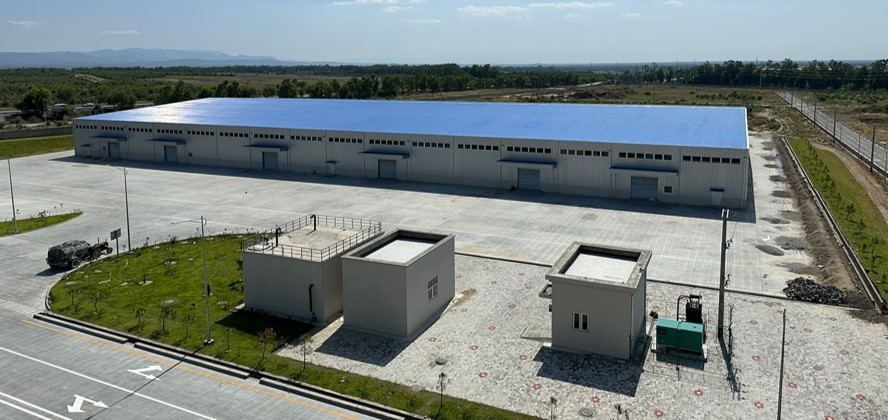
- Logistics and warehousing
The zone is expected to generate thousands of direct and indirect jobs, significantly boosting employment in the region. For Khyber Pakhtunkhwa, which has long faced economic challenges, Rashakai represents a shift toward industrial self-reliance and private-sector-led growth.
In addition, the zone benefits from strong Chinese interest, with several joint ventures exploring manufacturing opportunities. This collaboration brings not only capital but also technology transfer and skill development, critical for Pakistan’s industrial modernization.
Allama Iqbal Industrial City: Punjab’s Industrial Powerhouse
Situated near Faisalabad, Pakistan’s textile capital, Allama Iqbal Industrial City (AIIC) is one of the most advanced SEZs under CPEC. Spanning thousands of acres, the zone is positioned to become a hub for export-oriented industries.
Key focus sectors include:
- Textile and apparel manufacturing
- Automotive and auto parts
- Chemicals and pharmaceuticals
- Electronics and electrical appliances
- Agro-based industries
The strategic location of AIIC offers seamless connectivity to major highways, rail networks, and ports, making it highly attractive to both local and foreign investors. The availability of skilled labor in Faisalabad further strengthens its competitiveness.
Allama Iqbal Industrial City is designed to support large-scale manufacturing, helping Pakistan move up the global value chain rather than relying on raw material exports.
Investment Incentives and Business-Friendly Policies
One of the biggest attractions of CPEC SEZs is the comprehensive incentive package offered to investors. These include:
- Tax exemptions on income and customs duties
- One-window operations to simplify approvals
- Affordable land and utility access
- Regulatory ease for foreign companies
These incentives aim to reduce the cost of doing business while improving investor confidence. For Pakistan, this approach is essential to compete with other regional manufacturing hubs.
The government’s emphasis on public-private partnerships has also encouraged domestic entrepreneurs to expand operations within SEZs, fostering local industrial capacity alongside foreign investment.
Employment Generation and Skill Development
Industrial growth through SEZs has a direct social impact. Rashakai and Allama Iqbal Industrial City are expected to create tens of thousands of jobs, ranging from skilled engineers to factory workers and logistics professionals.
Beyond employment, these projects contribute to human capital development. Training programs, technical institutes, and industry-academia collaboration are being encouraged to ensure a skilled workforce that meets modern industrial demands.
This focus on skills is critical for Pakistan’s youth, providing them with opportunities in manufacturing, technology, and management sectors.
Boosting Exports and Reducing Trade Deficit
Pakistan’s trade deficit has long been a structural challenge. SEZ-driven industrialization offers a pathway to export-led growth, particularly in textiles, engineering goods, and processed food products.
By producing value-added goods domestically, Pakistan can:
- Increase export volumes
- Reduce reliance on imports
- Strengthen foreign exchange reserves
Allama Iqbal Industrial City, in particular, is expected to play a key role in expanding Pakistan’s textile exports while diversifying into higher-value products.
Challenges and the Road Ahead
Despite strong potential, SEZ development faces challenges such as bureaucratic delays, energy costs, and global economic uncertainty. However, sustained policy consistency, improved governance, and investor protection mechanisms can help overcome these hurdles.
The success of Rashakai and Allama Iqbal Industrial City will largely depend on execution, infrastructure readiness, and investor confidence. Long-term commitment from both federal and provincial governments is essential.
Conclusion: A New Industrial Chapter for Pakistan
Pakistan’s focus on industrial growth through CPEC Special Economic Zones marks a decisive shift toward sustainable economic development. Projects like Rashakai SEZ and Allama Iqbal Industrial City are not just business ventures—they are strategic platforms for transforming Pakistan’s economy.
By attracting investment, creating jobs, enhancing exports, and building industrial capacity, these SEZs have the potential to redefine Pakistan’s role in regional and global markets. If managed effectively, they can lay the foundation for inclusive growth, economic stability, and long-term prosperity.
As Pakistan continues its journey toward industrial modernization, CPEC’s Special Economic Zones stand as powerful symbols of ambition, opportunity, and transformation.