

Pakistan’s business ecosystem is entering a decisive phase where sustainability, technology, and innovation are shaping the future. Among the most promising sectors driving this transformation are renewable energy and agri-tech. As the country grapples with energy shortages, climate challenges, and food security concerns, these two sectors are emerging not just as solutions—but as powerful business opportunities.
In recent years, entrepreneurs, investors, and policymakers have begun recognizing that Pakistan’s long-term growth depends on cleaner energy and smarter agriculture. By combining technology with traditional strengths, the country is laying the groundwork for a more resilient and future-ready economy.
Renewable Energy: From Necessity to Opportunity
Pakistan’s energy challenges have long affected industries, households, and economic growth. Rising fuel imports, power shortages, and increasing electricity costs have pushed the country toward renewable energy as a strategic alternative.
In response, solar, wind, and hydropower projects are gaining momentum across the country. What was once considered an expensive option has now become a cost-effective and scalable business model.
Solar Energy Leading the Way
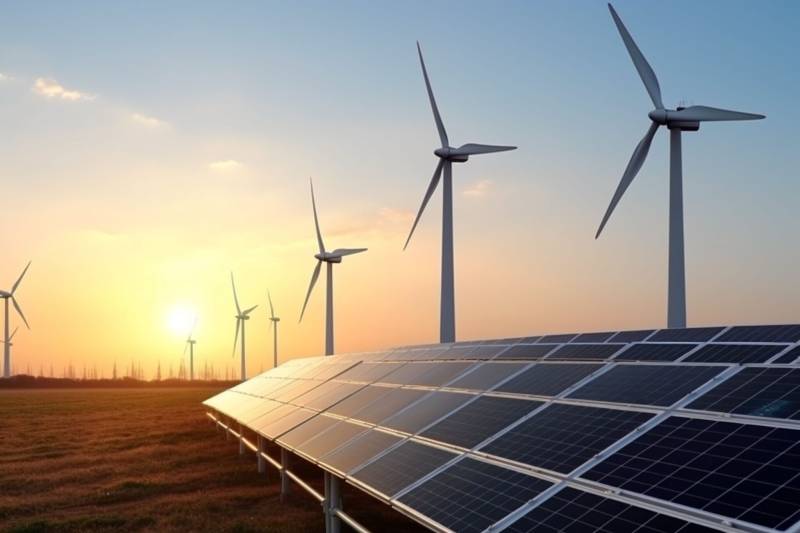
Solar power has seen the fastest growth due to Pakistan’s favorable climate and declining panel costs. Businesses, factories, and even residential consumers are increasingly adopting rooftop solar systems to reduce electricity bills and dependence on the national grid.
This shift has created a thriving ecosystem of:
- Solar panel importers and manufacturers
- Installation and maintenance companies
- Energy consulting firms
- Smart energy management startups
For businesses, solar energy is no longer just an environmental choice—it’s a financial one.
Wind and Hydropower: Untapped Potential
Pakistan’s wind corridors, particularly in Sindh and coastal areas, offer massive potential for wind energy projects. Meanwhile, small and medium hydropower plants are being explored in northern regions to provide clean electricity to remote communities.
These projects are attracting both local and foreign investors, creating long-term employment and reducing reliance on fossil fuels. Renewable energy companies are increasingly partnering with technology providers to optimize performance through data analytics and automation.
Green Energy and Industrial Growth
Industries are under growing pressure to adopt cleaner energy solutions. Export-oriented businesses, especially those dealing with international clients, are moving toward renewable energy to meet global sustainability standards.
As a result, renewable energy has become a competitive advantage for Pakistani businesses, helping them reduce costs, enhance brand value, and attract international partnerships.
Looking ahead, the convergence of renewable energy and agri-tech holds transformative potential for Pakistan’s economy. Solar-powered irrigation systems, smart cold storage facilities, and energy-efficient agri-processing units can significantly reduce post-harvest losses while lowering operational costs. As climate challenges intensify, technology-driven solutions will become essential for food security and economic stability. With continued policy support, investment in research and development, and collaboration between the public and private sectors, Pakistan is well-positioned to emerge as a regional leader in sustainable agriculture and clean energy innovation, turning long-standing challenges into long-term economic opportunities.
Agri-Tech: Modernizing Pakistan’s Agricultural Backbone
Agriculture remains the backbone of Pakistan’s economy, employing a large portion of the population. However, traditional farming methods, climate change, and water scarcity have limited productivity. This is where agri-tech is playing a game-changing role.
By integrating technology into farming, Pakistan is gradually transitioning from labor-intensive practices to data-driven, efficient, and sustainable agriculture.
Smart Farming Solutions on the Rise
Agri-tech startups are introducing innovative tools that help farmers make better decisions. These include:
- Smart irrigation systems to reduce water waste
- Mobile apps for weather forecasts and crop advisory
- AI-based crop monitoring and disease detection
- Precision farming technologies using sensors and drones
Such solutions are improving yields while reducing costs, making farming more profitable and resilient.
Digital Platforms Connecting Farmers to Markets
One of the biggest challenges farmers face is access to fair markets. Agri-tech platforms are bridging this gap by directly connecting farmers with buyers, suppliers, and logistics providers.
These digital marketplaces reduce dependency on middlemen, ensure better pricing, and improve transparency. In turn, they are transforming agriculture into a scalable and investable business sector.
Fintech Meets Agriculture
Another promising trend is the integration of fintech with agri-tech. Digital payment solutions, microloans, and crop insurance products are becoming more accessible to farmers through mobile platforms.
This financial inclusion empowers small-scale farmers to invest in better seeds, machinery, and technology—driving overall productivity and economic growth.
Climate-Smart Agriculture and Sustainability
Climate change poses serious risks to Pakistan’s agricultural output. Agri-tech solutions focused on climate resilience are gaining importance, such as drought-resistant crops, efficient water usage, and early warning systems.
Businesses investing in climate-smart agriculture are not only addressing food security but also aligning with global sustainability goals, making the sector attractive for impact investors.
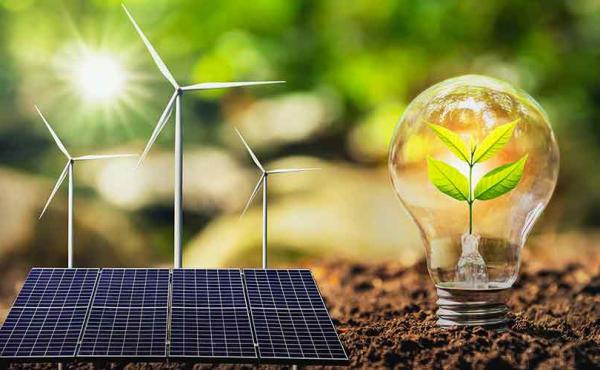
Another key factor accelerating Pakistan’s renewable energy and agri-tech growth is the increasing involvement of private investors and startups. Local entrepreneurs are stepping in to bridge gaps left by traditional systems, offering solar-as-a-service models, affordable micro-grids for rural communities, and data-driven farming solutions. In agriculture, agri-tech startups are introducing mobile apps that provide farmers with real-time weather updates, soil health insights, crop advisory services, and digital marketplaces that connect producers directly with buyers. These innovations are not only improving productivity but also empowering small farmers, who form the backbone of Pakistan’s agricultural economy, to make informed decisions and improve their livelihoods.
Challenges and the Road Ahead
Despite strong potential, challenges remain. High initial costs, lack of awareness, and limited access to financing can slow adoption—especially in rural areas. However, public-private partnerships, government incentives, and growing investor interest are helping overcome these barriers.
Education and training will be critical in ensuring farmers and businesses can effectively use new technologies.
A Future Driven by Innovation and Sustainability
Renewable energy and agri-tech are no longer niche sectors in Pakistan—they are becoming central pillars of economic development. Together, they offer solutions to energy shortages, environmental challenges, and food insecurity while opening new doors for entrepreneurship and investment.
As Pakistan continues to embrace clean energy and smart agriculture, these sectors are set to redefine the country’s business landscape. The future belongs to businesses that innovate responsibly, invest wisely, and build sustainably.