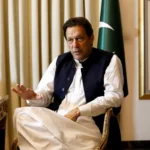


Bollywood has always had a unique way of blending entertainment with real-world issues, but sometimes cinema crosses into controversial territory. The latest example is “Dhurinder,” a high-profile spy thriller that has ignited a political storm across India and Pakistan. While the movie was intended as a high-octane action entertainer, its storyline, character portrayals, and geopolitical undertones quickly turned it into a lightning rod for debate.
This blog explores why “Dhurinder” has become more than just a film, how it triggered cross-border tensions, and what it reveals about cinema, politics, and public sentiment in South Asia.
The Premise of Dhurinder
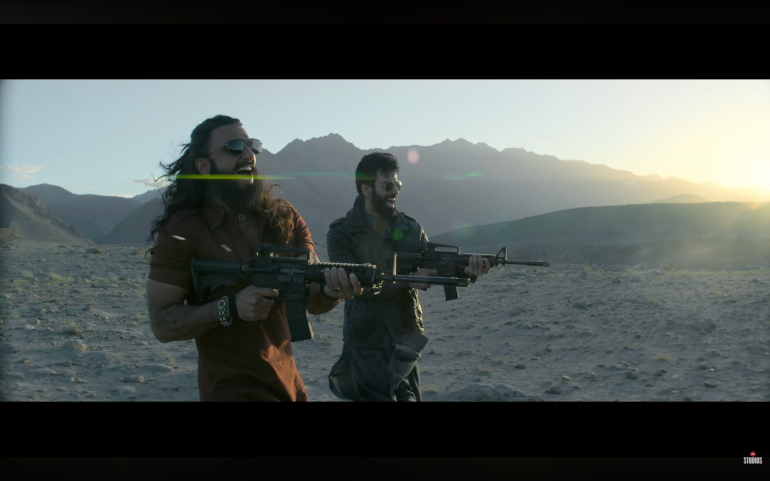
“Dhurinder,” directed by a well-known Bollywood filmmaker, revolves around an Indian intelligence officer tasked with uncovering a terrorist network spanning multiple countries. The narrative is filled with high-tech espionage, daring missions, and undercover operations, making it a classic spy thriller.
While the film’s action sequences and cinematic spectacle have received praise, the depiction of Pakistan and its intelligence agencies quickly drew criticism. Characters associated with Pakistan are portrayed as antagonists, and the storyline involves cross-border espionage, alleged infiltration, and terrorist plots supposedly orchestrated from Pakistani territory.
This fictional narrative, though entertaining, has politicized an art form, igniting debates among politicians, media outlets, and citizens in both countries.

Why the Controversy Exploded
Several factors contributed to the controversy surrounding “Dhurinder”:
- Sensitive Cross-Border Relations: India and Pakistan share a history marked by conflict and mutual suspicion. Any media depiction that portrays the other country negatively is highly sensitive and often perceived as propaganda.
- Portrayal of Intelligence Agencies: The film specifically highlights espionage activities linked to Pakistan’s agencies, which some critics argue reinforces stereotypes and geopolitical biases.
- Timing and Political Climate: “Dhurinder” released at a time when Indo-Pak relations were already tense due to political disagreements and border issues. The film’s narrative inadvertently intersected with real-world sensitivities, amplifying reactions.
- Social Media Amplification: In the age of instant online reactions, clips, memes, and debates spread quickly, often fueling outrage faster than traditional media. Platforms like Twitter and Instagram became battlegrounds for fans, critics, and politicians alike.
Reactions from India
In India, responses have been mixed. On one hand, Bollywood enthusiasts praised the film for its gripping narrative, high production values, and engaging performances. Fans of the lead actor highlighted the film’s thrilling espionage sequences as a benchmark for Indian spy films.
However, certain political figures and commentators criticized the film for “overly nationalistic” tones, claiming it blurred the lines between entertainment and political messaging. Some media outlets described the movie as “propaganda disguised as cinema,” sparking debates about artistic freedom versus responsible storytelling.
Despite the controversies, the film has performed well at the box office, showing that audiences are still drawn to thrillers that combine action, espionage, and patriotism, even if the political undertones are contentious.
Reactions from Pakistan
The backlash in Pakistan was more pronounced. Certain groups called for boycotts of the film, arguing that it misrepresented Pakistan and reinforced negative stereotypes. Social media users in Pakistan circulated posts criticizing the movie’s narrative, particularly the portrayal of Pakistani intelligence agencies and civilians.
Politicians and media outlets in Pakistan highlighted that such films could worsen public perception, deepen mistrust, and even impact diplomatic relations. The controversy surrounding “Dhurinder” became a talking point on television debates and editorial pieces, emphasizing the power of cinema to influence public sentiment.
Cinema and Politics: A Long History in South Asia
The “Dhurinder” controversy is not an isolated incident. Bollywood and Pakistani cinema have historically been tightly intertwined with politics, especially when depicting cross-border conflicts. Films involving espionage, military operations, or terrorism often generate debate, as audiences interpret fiction through the lens of real geopolitical tensions.
Several previous Bollywood movies, such as Raazi and Tiger Zinda Hai, also faced scrutiny for their depictions of India-Pakistan relations. In Pakistan, similar concerns have arisen around movies portraying India negatively. What makes “Dhurinder” notable is the intensity of the political storm, fueled by social media amplification and contemporary diplomatic tensions.
Freedom of Expression vs. National Sentiment
A key debate arising from this controversy revolves around freedom of expression versus national sensitivity. Filmmakers argue that spy thrillers are fictional, designed for entertainment, and should not be read as political statements. Critics counter that films, especially in regions with tense histories, carry the power to shape narratives, reinforce stereotypes, and influence public opinion.
In the case of “Dhurinder,” this tension became evident as film studios defended the movie’s creative choices while governments and media commentators scrutinized its impact on Indo-Pak relations.
The Role of Social Media in Amplifying Controversy
Social media has dramatically changed how controversies unfold. Within hours of the film’s trailer release, discussions, critiques, memes, and viral posts began circulating online. Influencers and political commentators weighed in, often blurring the line between cinema critique and geopolitical debate.
The rapid amplification demonstrates how modern media ecosystems can turn entertainment into international discourse, where even a fictional plot becomes a matter of national interest.
Impact on the Film Industry
The “Dhurinder” controversy highlights the growing intersection of entertainment and politics. Filmmakers are increasingly aware that international audiences, particularly in geopolitically sensitive regions, can react strongly to narrative choices.
At the same time, controversy often boosts box office performance, as curiosity drives audiences to theaters. For Bollywood, the balance between creative storytelling, commercial success, and political sensitivity is becoming an increasingly complex challenge.
Lessons for Filmmakers
The “Dhurinder” case underscores several lessons for filmmakers:
- Geopolitical Awareness: Understanding cross-border sensitivities is essential when depicting foreign nations in films.
- Balanced Storytelling: While thrillers need tension and drama, nuanced depictions can reduce unnecessary controversy.
- Engagement Strategies: Pre-release engagement with media and public outreach can manage perceptions and expectations.
- Global Perspective: In the era of streaming platforms, films reach international audiences instantly, amplifying potential political impact.
Conclusion: More Than Just a Movie
“Dhurinder” is more than just a Bollywood spy thriller—it has become a cultural flashpoint, highlighting how cinema intersects with politics, national sentiment, and public perception. While the film delivers on action, espionage, and drama, it also reveals the power of storytelling in shaping geopolitical narratives.
The political storm surrounding “Dhurinder” underscores the reality that, in South Asia, entertainment is rarely isolated from international relations. For filmmakers, it serves as a reminder that art and politics often collide, whether intended or not.
Ultimately, “Dhurinder” sparks important conversations about freedom of expression, responsible storytelling, and the role of cinema in reflecting or influencing cross-border perceptions. In a region where history and politics are deeply intertwined, every spy thriller is more than fiction—it’s part of a broader dialogue about identity, perception, and international relations.