
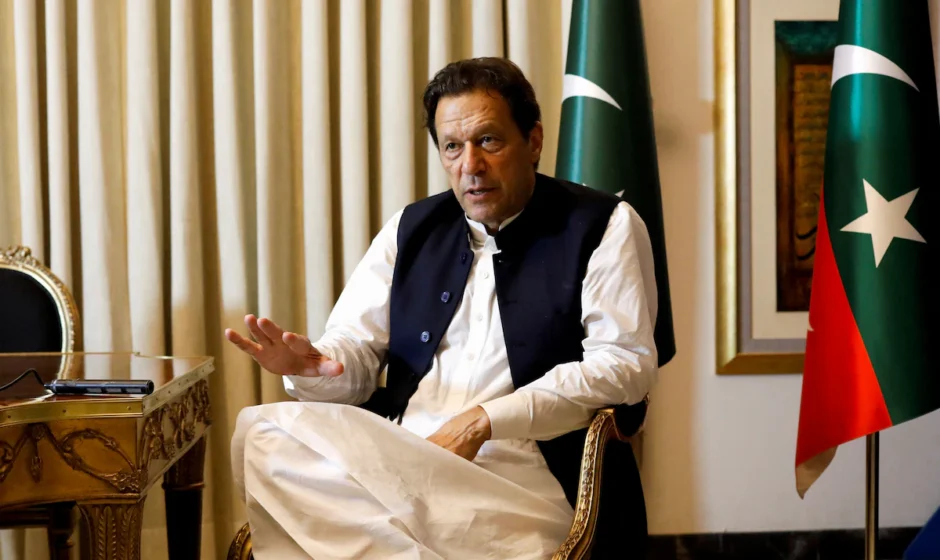

Pakistan’s political landscape has been turbulent over the past few years, and few figures have dominated headlines like former Prime Minister Imran Khan. Since his incarceration in August 2023, Khan has remained a central figure in national politics, despite facing a slew of legal challenges, political crackdowns, and sustained pressure from the military establishment. As his party, the Pakistan Tehreek-e-Insaf (PTI), prepares for another nationwide protest, one key question dominates discussions across the country: How can Khan regain political leverage and navigate Pakistan’s complex power dynamics?
Analysts, journalists, and political strategists point to a recurring theme: reconciliation with the military may be the single most decisive factor in Khan’s path back to power. In this blog, we examine the legal, political, and strategic dimensions of Khan’s journey, exploring how PTI can consolidate influence while addressing the country’s broader challenges.
The Legal Battles and Imprisonment
Imran Khan’s political career has long been intertwined with controversy, and the post-2022 political era has been no exception. Khan’s incarceration in August 2023 stemmed from multiple legal cases, including eight cases linked to the violent demonstrations of May 9, 2023. During these protests, widespread unrest challenged state authority, resulting in legal action against PTI leaders and supporters.
Despite facing prolonged imprisonment, Khan has consistently projected political resilience. His legal team, party operatives, and allied independent candidates have maintained a strong presence in national and provincial politics, demonstrating that PTI’s influence extends far beyond the personal freedom of its leader.
PTI’s Resilience in Elections
Even amid repression and legal hurdles, PTI-backed independent candidates secured the majority of seats in last year’s general elections, underscoring Khan’s enduring popularity and political clout. These results were remarkable given the systemic challenges faced by PTI, including arrests, media restrictions, and regulatory pressures.
The electoral success revealed two key insights:
- Khan’s Grassroots Support: PTI maintains a loyal voter base across multiple provinces, from urban centers to rural districts.
- Institutional Weaknesses in Opposition: Competing parties, despite political maneuvering, were unable to capitalize fully on PTI’s vulnerabilities, highlighting Khan’s continued strategic advantage.
This scenario creates a paradoxical dynamic: even while imprisoned, Khan retains significant leverage over the political landscape, making him a figure politicians and institutions cannot ignore.
The Military Factor: Key to Political Maneuvering
In Pakistan, political success often depends on navigating the complex relationship with the military. Historically, the armed forces have wielded influence over governance, elections, and policy decisions. For Imran Khan, reconciling with the military—or at least finding a workable modus vivendi—may be essential for any sustainable political comeback.
Khan’s confrontational stance toward the military during certain periods of his tenure contributed to a series of political crises. Yet, political analysts note that cooperation or negotiation with the military establishment could serve as a strategic “get out of jail free card,” allowing him to regain operational freedom for PTI, reduce legal pressure, and consolidate political influence.
Nationwide Protests and Political Mobilization
PTI’s preparations for nationwide protests indicate that the party remains highly organized and capable of mass mobilization. These protests serve multiple purposes:
- Demonstrating Popular Support: Large rallies showcase the party’s relevance and reinforce Khan’s political legitimacy.
- Pressure on Institutions: Mass mobilization can compel political and legal institutions to consider negotiations or concessions.
- Media and Public Messaging: Protests generate extensive media coverage, ensuring PTI remains at the forefront of public discourse.
However, while protests demonstrate strength, they also risk escalating tensions with law enforcement and the military, highlighting the delicate balance PTI must strike between activism and strategic negotiation.
Political Strategy: Reconciliation vs. Confrontation
Khan’s path forward appears to hinge on a choice between two strategies: continued confrontation or selective reconciliation.
- Continued Confrontation: Persisting with legal battles, protests, and rhetoric against the military may energize PTI’s base but risks prolonged incarceration, further legal restrictions, and reduced political efficacy.
- Selective Reconciliation: Engaging in dialogue, negotiating terms for political participation, and softening the anti-establishment stance could provide operational freedom, reduce legal pressure, and allow PTI to leverage electoral influence.
Many political analysts argue that a calibrated approach, combining grassroots mobilization with careful institutional negotiation, is likely the most effective path to regain political leverage.
The Role of Public Opinion
Public sentiment plays a critical role in Pakistan’s political calculus. Khan enjoys considerable popularity, particularly among urban youth, middle-class voters, and certain provincial constituencies. His narrative of resilience, anti-corruption, and “justice against institutional oppression” resonates strongly with these segments.
However, public opinion is nuanced: prolonged unrest or confrontational tactics that risk economic disruption could erode support. PTI must therefore balance activism with messaging that emphasizes governance, reform, and national stability to maintain broad-based appeal.
Legal and Political Reforms as a Platform
Beyond protests, Khan has the opportunity to reposition PTI as a party focused on legal and political reforms. By championing transparency, electoral fairness, and judicial accountability, PTI can:
- Strengthen its credibility among undecided voters
- Position itself as a constructive opposition capable of governance
- Frame the party’s struggle as part of a broader democratic movement rather than purely a personal battle
Such a platform could mitigate criticism of confrontational tactics and reinforce PTI’s legitimacy in both national and international arenas.
Future Prospects: Election Dynamics and Party Consolidation
Looking ahead, the path to power involves several critical factors:
- Legal Resolution: Khan’s incarceration limits his direct political engagement. Any negotiation or legal breakthrough will significantly affect PTI’s operational capacity.
- Party Cohesion: Ensuring unity among PTI leadership and provincial chapters is essential, especially as independent candidates play a growing role.
- Strategic Alliances: Collaborating with other parties or stakeholders could provide leverage in both legislative and electoral contexts.
- Electoral Campaigns: Leveraging PTI’s grassroots organization and popular messaging will be crucial for upcoming elections.
Successfully navigating these factors requires a mix of political savvy, negotiation skills, and public engagement, making 2025 a critical year for PTI’s resurgence.
Conclusion: A Calculated Path Forward
Imran Khan’s political journey is emblematic of Pakistan’s high-stakes, complex political environment, where legal battles, public sentiment, and institutional relationships intersect. Despite incarceration, Khan has maintained significant influence, underscoring the resilience of PTI and the durability of his political brand.
The coming months are likely to test Khan’s strategic acumen. Reconciliation with the military, if handled judiciously, could unlock opportunities for political participation, legal relief, and policy influence. At the same time, nationwide mobilization demonstrates that PTI remains a force capable of shaping discourse and outcomes.
Ultimately, Imran Khan’s path back to power is not just about personal freedom—it’s about crafting a sustainable strategy for PTI to maintain relevance, influence, and voter trust in a rapidly evolving political landscape. By balancing protest, negotiation, and public engagement, Khan and PTI could emerge from this period of crisis with renewed strength, paving the way for a new chapter in Pakistan’s democratic journey.