
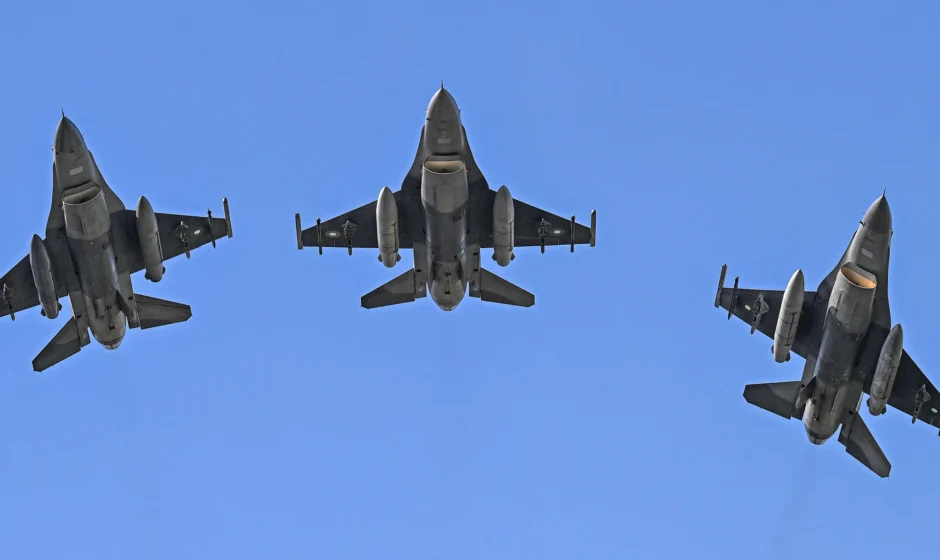

In a move that has grabbed global attention, the United States has approved a $686 million upgrade for Pakistan’s F-16 fighter jets, encompassing advanced technology, avionics, and weapons systems. While officially framed as a routine modernization of military hardware, the timing and context of the deal have sparked debates about its strategic implications, regional security dynamics, and potential messages to India.
This blog delves into the details of the deal, the geopolitical backdrop, and what it means for South Asian defense and diplomacy.
The F-16 Upgrade Deal: What It Includes
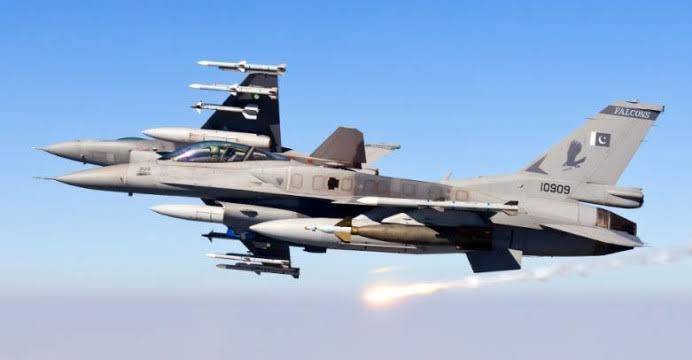
The F-16 fighter jet has long been a cornerstone of Pakistan’s air defense capabilities. The new $686 million package focuses on:
- Advanced Avionics and Radar Systems: Enhancing target acquisition, precision, and situational awareness
- Weapon Systems Integration: Upgrading missiles, bombs, and electronic warfare tools
- Maintenance and Operational Readiness: Ensuring long-term sustainability and combat readiness
The deal also includes technical support, training, and software updates, allowing Pakistan to maintain a fleet of modern, capable aircraft in line with contemporary air combat requirements.
Geopolitical Context: India-Pakistan Tensions
The timing of this deal is significant. Relations between Pakistan and India have been fraught, with escalated tensions following a rebel attack in Indian-administered Kashmir in May. This incident triggered a five-day military clash, intensifying scrutiny on both nations’ defense preparedness.
In parallel, the United States recently encouraged India to purchase additional weaponry, highlighting Washington’s strategic balancing act in the region. The simultaneous upgrade for Pakistan can be interpreted as a signal of continued US engagement with both countries, ensuring that regional power dynamics remain stable while American defense exports continue.
Is It a Message to India?
Many analysts believe the F-16 upgrade may carry a subtle strategic message to India:
- Reassurance of Pakistan’s Defense Capability: By modernizing Pakistan’s air force, the US ensures that Islamabad retains a credible deterrent.
- Signaling Balance: In a region where India is perceived as the dominant power, bolstering Pakistan’s air fleet signals that the US seeks to maintain strategic equilibrium.
- Geopolitical Leverage: Demonstrating support for Pakistan, even indirectly, allows the US to influence negotiations, border disputes, and regional cooperation.
While the deal is technically a standard military upgrade, its geopolitical timing cannot be ignored.
US-Pakistan Defense Relations: A Complicated History
The US-Pakistan defense relationship has been complex and fluctuating. During the Cold War and post-9/11 era, Pakistan received significant military aid and equipment. However, trust deficits, concerns over terrorism, and regional politics have occasionally strained ties.
The current F-16 deal reflects continued strategic engagement, even as the US balances its relations with India. It signals that Washington views Pakistan as a key player in regional stability, capable of countering threats and contributing to South Asian security architecture.
Implications for Pakistan’s Air Force
For Pakistan, the upgrade is transformative. Modernized F-16s enhance the air force’s operational capability, survivability, and readiness, which is crucial given the proximity to India’s advanced air systems.
Benefits include:
- Improved Air Defense: Better radar, electronic warfare, and precision targeting
- Strategic Deterrence: Reinforces Pakistan’s ability to respond to potential threats
- Long-Term Operational Efficiency: Reduced maintenance downtime and better integration with newer technology
This strengthens Pakistan’s position in both defense planning and regional negotiations.
India’s Response and Regional Dynamics
India has reacted cautiously, emphasizing the importance of maintaining strategic parity. While India has not officially condemned the deal, it has continued accelerating its own defense acquisitions, including fighter jets, missile systems, and advanced surveillance capabilities.
Regional analysts suggest that South Asia is entering a phase of high-tech military competition, where upgrades, procurement, and technology transfers play as much a role in diplomacy as they do in actual combat readiness.
Balancing Act: US Strategy in South Asia
The US has multiple objectives in this region:
- Counterterrorism and Stability: Both India and Pakistan play roles in regional security, and a capable Pakistan helps monitor insurgent movements along the border.
- Defense Exports and Industrial Ties: Arms sales benefit the US defense industry while reinforcing strategic influence.
- Diplomatic Leverage: By engaging with both countries, the US can influence negotiations, mediate disputes, and shape regional security architecture.
The F-16 deal is consistent with this multi-layered strategy: simultaneously supporting Pakistan, encouraging India to invest in US technology, and maintaining regional balance without overtly favoring one side.
Potential Risks and Challenges
Despite its benefits, the upgrade carries risks:
- Escalation of Tensions: India may perceive the deal as a provocation, increasing border militarization.
- Arms Race: Modernization can accelerate a cycle of military buildup, potentially destabilizing the region.
- Domestic Criticism: In Pakistan, some political factions may view reliance on US military support skeptically, raising questions about sovereignty and foreign dependence.
Careful diplomatic communication will be essential to prevent misunderstandings and maintain stability.
Looking Ahead: Strategic Calculations for Pakistan
For Pakistan, the F-16 upgrade is more than an operational enhancement—it is a strategic tool in both defense and diplomacy. The country must now consider:
- Integrating Technology Efficiently: Ensuring pilots, engineers, and support staff are fully trained for advanced systems
- Maintaining Deterrence Without Provocation: Balancing readiness with measured diplomacy to avoid escalation
- Leveraging Upgrades in Regional Dialogue: Using enhanced capabilities as a bargaining chip in negotiations with India and international partners
This multi-faceted approach reflects the complex interplay of military preparedness and political strategy in South Asia.
Conclusion: More Than Just Fighter Jets
Trump’s $686 million F-16 upgrade for Pakistan is more than a military transaction—it is a strategic signal, a reassurance of regional balance, and a message about US influence in South Asia. While technically a modernization program, the deal underscores the intertwined nature of defense, diplomacy, and geopolitics.
For Pakistan, it strengthens air defense capabilities, reinforces deterrence against potential threats, and positions the country as a key stakeholder in regional security. For India, it serves as a reminder that military parity and strategic readiness remain critical. And for the United States, it reflects a careful balancing act: supporting Pakistan while maintaining strong ties with India, all while promoting defense exports and regional stability.
In 2025, South Asia’s security landscape is defined not just by borders and troops but by technology, strategic signaling, and geopolitical calculations. The F-16 upgrade is emblematic of this new reality, where fighter jets carry messages far beyond the battlefield, shaping diplomacy, deterrence, and the future of regional power dynamics.