

The political and personal narrative of Imran Khan, former Prime Minister of Pakistan, continues to captivate the nation. The latest development comes with news that Khan’s sons have announced plans to visit Pakistan to see their father, who has been embroiled in multiple legal battles and has faced incarceration and political pressures since August 2023. While at first glance this news may appear primarily personal, in Pakistan’s politically charged environment, the visit carries significant political symbolism, public resonance, and implications for the Pakistan Tehreek-e-Insaf (PTI) movement.
This blog explores the context, political significance, and potential impact of this family reunion, situating it within Pakistan’s current political climate.
Imran Khan’s Legal and Political Struggles
Since his ouster as Prime Minister in 2022, Imran Khan has been at the center of unprecedented legal challenges. The May 9, 2023, demonstrations in response to his arrest led to multiple cases against him, further complicating his political career. Despite these setbacks, Khan and PTI-backed candidates demonstrated political resilience in subsequent elections, securing a majority of seats in many constituencies.
Khan’s continued influence, even while facing restrictions, underscores the central role of his leadership in PTI. Against this backdrop, any news involving his family—particularly visits by his sons—becomes inherently political, symbolizing continuity, loyalty, and the enduring presence of Khan’s political brand.
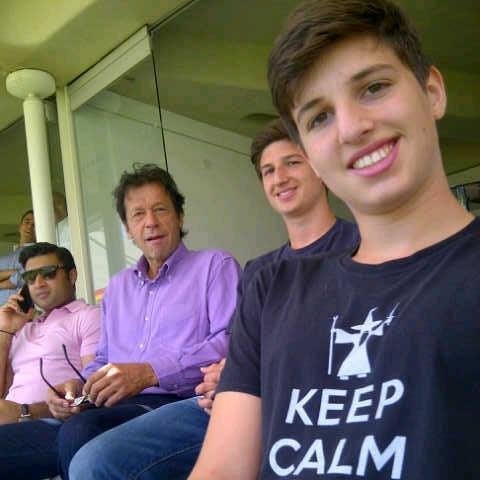
The Family Dimension and Public Sympathy
The announcement of Khan’s sons planning a visit has generated significant public interest and emotional resonance. Across Pakistan, citizens closely follow the personal lives of political leaders, often interpreting familial events as reflections of larger political narratives.
In this context, the sons’ visit is more than a family reunion—it represents:
- Public Humanization: While Khan is a political figure, his sons’ presence reminds the public of his personal side—a father separated from his children due to political circumstances.
- Sympathy and Solidarity: Emotional stories about family reunions often elicit public sympathy, subtly reinforcing support for PTI.
- Symbolic Resistance: The visit can be seen as a quiet assertion that political pressures have not diminished Khan’s influence or his family’s dedication.
Social media platforms have already begun discussions, with citizens expressing support, curiosity, and hopes for a peaceful and meaningful reunion. This emotional narrative intersects with political strategy, highlighting how personal and political spheres often overlap in Pakistan.
Potential Political Significance
In a country where politics is often intertwined with public perception and symbolism, the visit could carry strategic political implications:
- Reaffirming Leadership: The presence of Khan’s sons may signal that PTI’s leadership and legacy remain strongly anchored in family continuity, appealing to loyal supporters.
- Mobilization of the Youth Vote: PTI’s core support base includes young voters who are particularly responsive to narratives of resilience and familial loyalty.
- Media Visibility: News coverage of the visit may amplify Khan’s ongoing relevance, ensuring that PTI’s messaging remains central in national discourse.
Political analysts note that these symbolic gestures can have tangible electoral impacts, particularly in regions where PTI maintains strong grassroots networks.
Navigating Legal and Security Challenges
While the visit is laden with political symbolism, it is not without logistical and legal considerations. Khan’s ongoing legal cases and periods of incarceration mean that authorities and PTI must coordinate carefully to ensure security, legality, and public order.
Key considerations include:
- Safe and Coordinated Travel: Ensuring Khan’s sons can enter the country and reach their father without incident
- Minimizing Political Clashes: Balancing public interest with potential for protests, demonstrations, or political confrontations
- Media Management: Controlling narratives to prevent misinformation or politicization beyond intended messaging
Successfully managing these aspects will be critical to ensuring the visit remains a positive and symbolic political event rather than a flashpoint for controversy.
Public Reaction and Social Media Buzz
Within hours of the announcement, social media platforms erupted with discussions, hashtags, and commentary. Supporters of PTI praised the family reunion as a moment of emotional and political strength, highlighting loyalty, resilience, and dedication. Opponents, meanwhile, raised concerns about potential media theatrics or political posturing, reflecting the polarized nature of Pakistan’s political discourse.
The online conversation underscores a larger truth about contemporary politics in Pakistan: social media shapes public perception as much as policy or elections do, and personal stories often become intertwined with political narratives.
Historical Context: Family in Pakistani Politics
Pakistan has a long history of political families where personal events carry national significance. From the Bhuttos to the Sharifs, family milestones, reunions, or disputes often transcend private life, influencing public perception and political strategy.
For PTI, Khan’s sons visiting their father aligns with this tradition, signaling continuity and resilience in the face of adversity. It also reinforces PTI’s narrative of resistance against perceived institutional pressure, positioning the party as committed, enduring, and united even amid legal and political challenges.
Strategic Messaging for PTI
The visit offers PTI an opportunity to frame a broader political narrative. Possible messages include:
- Unity and Family Loyalty: Emphasizing the personal sacrifices involved in political struggle
- Resilience Against Pressure: Reinforcing PTI’s image as a party undeterred by legal or institutional challenges
- Future Leadership: Implicitly signaling the next generation of leadership and continuity within the party
By leveraging the visit strategically, PTI can transform a personal event into a powerful tool of political communication, reaching supporters and undecided voters alike.
Implications for Upcoming Political Campaigns
Looking ahead, the visit could play a role in mobilizing support for upcoming political campaigns. In a politically polarized environment, emotional narratives like family reunions help humanize leaders, strengthen grassroots loyalty, and galvanize volunteers and party workers.
For PTI, this is particularly significant: maintaining momentum and visibility while Khan faces legal constraints is essential for electoral success. A well-managed family visit can therefore contribute to the party’s organizational and strategic objectives.
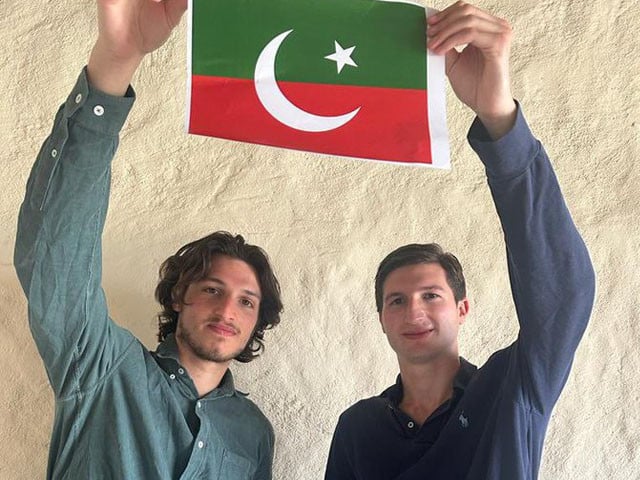
Balancing Emotion and Politics
While the visit is deeply personal, PTI must carefully balance emotion and political messaging. Over-politicization could risk alienating neutral observers, while underutilization could squander an opportunity to reinforce public support.
By highlighting the human dimension of Khan’s struggle, PTI can build sympathy and support without appearing exploitative. Thoughtful media coverage, coordinated public appearances, and careful messaging are key to maximizing impact.
Conclusion: A Moment of Symbolism in Pakistan’s Political Theater
The announcement that Imran Khan’s sons plan to visit Pakistan is more than a familial reunion—it is a political moment charged with symbolism, strategy, and public resonance. Amid ongoing legal challenges, protests, and institutional scrutiny, the visit underscores the enduring influence of Khan and PTI in Pakistan’s political landscape.
By carefully managing logistics, security, and messaging, PTI can transform this personal event into a strategic political asset, reinforcing unity, loyalty, and resilience. As Pakistan navigates its complex political environment, the family visit serves as a reminder that personal narratives and political strategy are often inseparable.
In 2025, moments like these demonstrate how politics in Pakistan is not only fought in courts, assemblies, and streets but also in symbolic gestures that resonate emotionally with the public, reminding citizens that leadership is both personal and political. For PTI, Khan’s sons visiting their father represents a powerful blend of human empathy and strategic communication, a message that echoes far beyond the family home and into the heart of Pakistan’s political discourse.