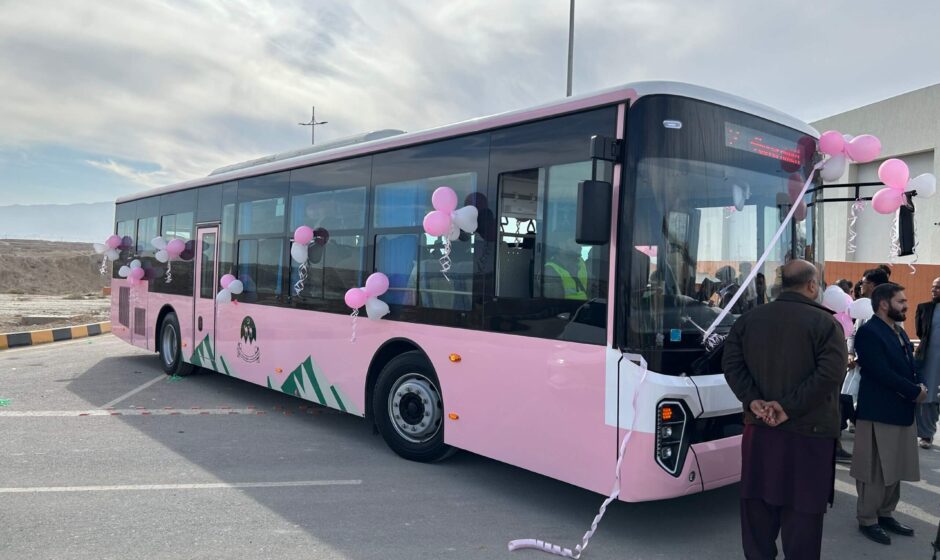

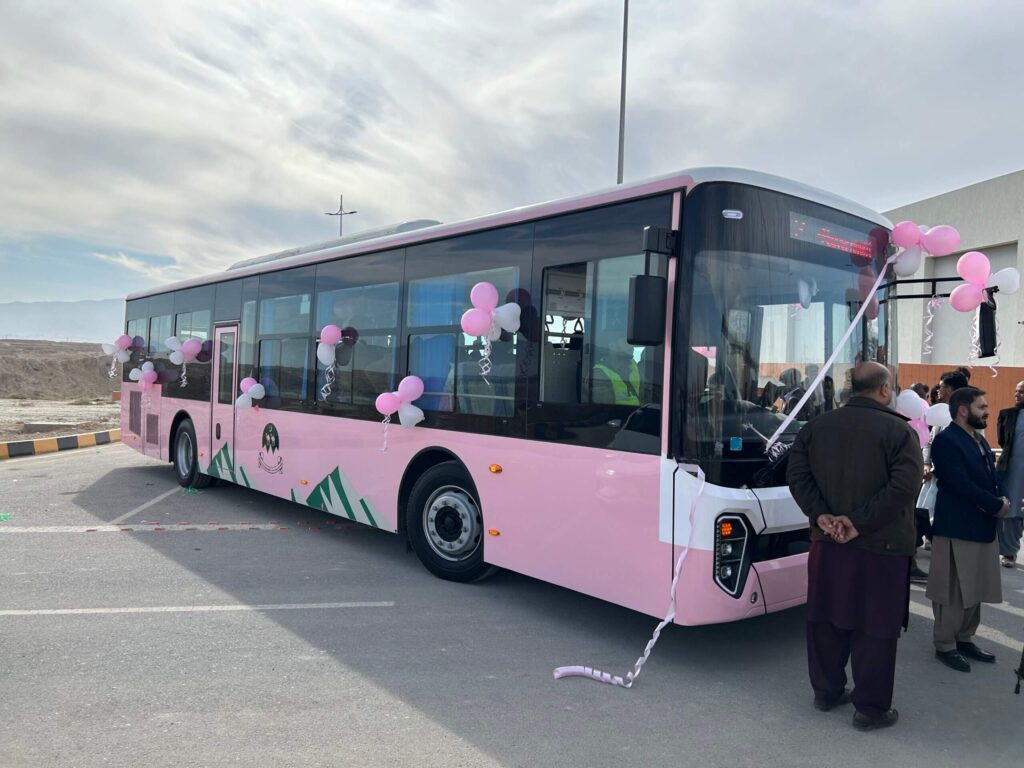
Quetta has taken a progressive step toward women-friendly urban transport with the inauguration of the Pink Bus Service, a public transport initiative exclusively designed for women. The launch marks a significant milestone in addressing long-standing concerns around safety, accessibility, and dignity for female commuters in the provincial capital of Balochistan.
As cities across Pakistan grapple with transport challenges, Quetta’s Pink Bus Service stands out as a symbol of inclusion and empowerment, offering women a safer and more comfortable way to navigate daily life.
🚍 A Much-Needed Step for Women’s Mobility
Public transport in many urban centers often poses challenges for women, ranging from overcrowding to harassment and limited availability. In Quetta, these issues have historically restricted women’s mobility, affecting their access to:
- Education
- Employment
- Healthcare
- Markets and public spaces
The introduction of a women-only bus service directly addresses these challenges, enabling women to travel independently and confidently without fear or discomfort.
🌸 Why the Pink Bus Service Matters
The Pink Bus Service is more than just a transportation project—it is a social initiative aimed at improving quality of life for women. Its importance lies in:
- Enhanced safety: Female-only passengers reduce risks of harassment
- Comfortable travel: Less overcrowding and improved seating arrangements
- Affordability: Designed to remain accessible for students, working women, and homemakers
- Dignity and confidence: Women can commute freely without social pressure
This initiative reflects a growing recognition that safe transport is a basic right, not a privilege.
🏙️ Quetta’s Urban Challenges and Transport Gaps
Quetta’s expanding population and limited transport infrastructure have placed increasing pressure on public mobility systems. Women, in particular, have been disproportionately affected by:
- Limited routes and unreliable schedules
- Lack of gender-sensitive transport policies
- Cultural barriers restricting independent travel
The Pink Bus Service helps bridge this gap by offering a structured, reliable alternative tailored specifically to women’s needs.
👩🎓 Empowering Students and Working Women
One of the most significant beneficiaries of the Pink Bus Service is female students. With colleges, universities, and schools spread across the city, safe transport is essential for educational continuity.
Similarly, working women—including teachers, healthcare workers, office staff, and service providers—stand to benefit from a dependable commute that reduces stress and time spent navigating unsafe transport options.
By improving daily mobility, the service contributes directly to:
- Higher female workforce participation
- Improved school attendance
- Greater economic independence
🛡️ Safety First: A Core Feature
Safety remains the central pillar of the Pink Bus Service. Key safety-focused elements include:
- Women-only access
- Designated stops in populated, well-lit areas
- Trained staff to manage boarding and conduct
- Coordination with local authorities for oversight
These measures are designed to create an environment where women feel secure, respected, and protected throughout their journey.
🌍 A Growing Trend Across Pakistan
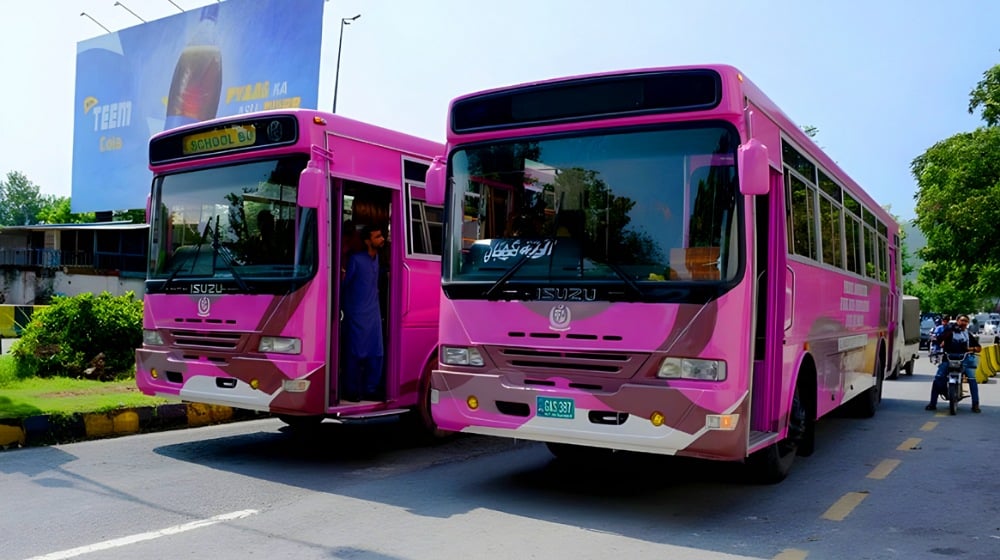
The Pink Bus Service in Quetta aligns with similar initiatives launched in cities like Karachi and Lahore, reflecting a nationwide shift toward gender-inclusive urban planning.
Urban planners and policy experts argue that such initiatives:
- Encourage women’s participation in public life
- Reduce reliance on unsafe or expensive alternatives
- Improve overall city mobility
- Promote equality in access to public resources
Quetta’s inclusion in this movement highlights the city’s evolving approach to development and social inclusion.
📈 Economic and Social Impact
Beyond mobility, the Pink Bus Service is expected to generate broader benefits:
- Economic growth: Easier commuting supports workforce productivity
- Social inclusion: Women can participate more actively in community life
- Reduced household dependency: Women gain greater independence
- Urban efficiency: Better transport reduces congestion and informal travel risks
When women move freely, cities thrive, and the benefits ripple across families and communities.
🧠 Public Response and Community Support
The launch of the Pink Bus Service has been widely welcomed by residents of Quetta. Women commuters have expressed optimism, calling it:
- “A long-overdue initiative”
- “A relief for daily commuters”
- “A step toward dignity and independence”
Community leaders and civil society organizations have also praised the move, urging authorities to expand routes, increase frequency, and maintain service quality.
🔮 What Comes Next?
While the inauguration marks an important beginning, experts emphasize the need for sustainability and growth. Future improvements could include:
- Expanding routes to underserved neighborhoods
- Increasing the number of buses during peak hours
- Integrating digital ticketing systems
- Introducing feedback mechanisms for users
Consistent maintenance and responsive management will be key to ensuring the service remains reliable and trusted.
🏛️ Policy and Governance Perspective
From a governance standpoint, the Pink Bus Service reflects a broader commitment to:
- Gender-sensitive policymaking
- Inclusive urban development
- Public-private collaboration
- Long-term transport planning
Such initiatives help local governments demonstrate responsiveness to citizens’ needs, particularly those of historically underserved groups.
🌟 A Symbol of Change for Quetta
The Pink Bus Service symbolizes a shift in mindset—one that recognizes women as active participants in urban life. It sends a clear message that:
- Women’s safety matters
- Mobility is essential to empowerment
- Cities must evolve to meet diverse needs
For Quetta, this initiative represents not just a new bus route, but a step toward a more inclusive future.
📝 Conclusion
The launch of the Pink Bus Service for women in Quetta is a landmark development in the city’s journey toward safer, more inclusive public transport. By prioritizing women’s mobility, dignity, and security, the initiative addresses a critical gap in urban infrastructure.
As the service begins operations, its true success will depend on continued support, expansion, and community engagement. If implemented effectively, the Pink Bus Service can become a model for other cities, proving that when women move freely, societies move forward.
For the women of Quetta, the pink buses represent more than transport—they represent progress, independence, and hope.