
In a world that rarely slows down, the idea of a life well-lived has taken on new meaning. It’s no longer defined by relentless hustle, external validation, or ticking off society’s milestones. Instead, modern living is about balance—feeling healthy, growing continuously, and finding joy in everyday moments. A well-lived life is intentional, grounded, and deeply personal.
Wellness, growth, and joy are not separate goals. When combined, they form the foundation of a fulfilling lifestyle—one that nurtures both the body and the mind while leaving room for happiness along the way.
Wellness: The Anchor of a Meaningful Life
True wellness goes beyond physical fitness. It’s about caring for your body, protecting your mental health, and building habits that support long-term well-being.
Modern wellness embraces simplicity. Rather than extreme diets or punishing workout routines, people are choosing consistency over intensity. Balanced meals, regular movement, proper hydration, and quality sleep form the core of a healthy lifestyle.
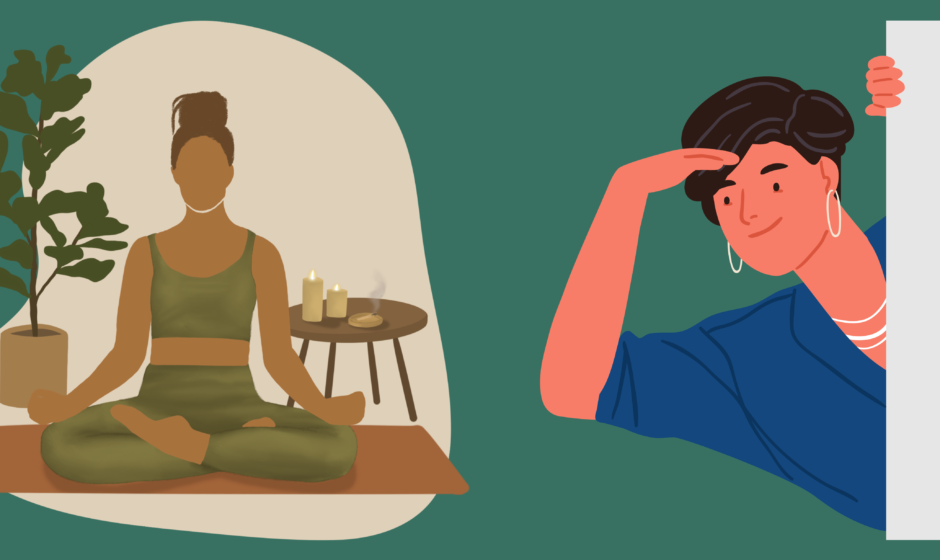
Mental wellness is equally important. In today’s digitally connected world, emotional exhaustion has become common. Taking breaks, setting boundaries, and prioritizing mental rest are now essential acts of self-care. Practices like journaling, meditation, therapy, or even quiet moments alone help create emotional clarity and resilience.
A well-lived life begins with listening to your body and mind—understanding when to push forward and when to pause.
The Power of Rest and Presence
Rest is no longer seen as laziness—it’s recognized as necessary. Sleep, relaxation, and downtime are vital for creativity, productivity, and emotional balance. When rest is respected, energy returns naturally.
Presence plays a key role in wellness. Being fully present during meals, conversations, and daily routines reduces stress and enhances satisfaction. A life well-lived isn’t rushed—it’s experienced.
Growth: Becoming Better Without Losing Yourself
Personal growth doesn’t mean constant reinvention. It’s about steady progress, learning from experience, and evolving with intention.
In modern life, growth often shows up in small ways: learning a new skill, improving communication, managing finances better, or developing emotional intelligence. Growth is not about competition—it’s about alignment with your values.
Career development, for example, is shifting from chasing titles to seeking purpose. People want work that supports their lifestyle, respects their mental health, and allows room for personal fulfillment. Growth now includes knowing when to say no, setting boundaries, and choosing paths that feel sustainable.
A life well-lived allows space for learning without pressure and ambition without burnout.
Embracing Change and Self-Reflection
Growth requires reflection. Taking time to assess where you are and where you want to go helps keep life intentional. Change is inevitable, but growth ensures it’s meaningful.
Modern living encourages self-awareness—understanding personal strengths, acknowledging limitations, and accepting imperfections. Growth doesn’t demand perfection; it requires honesty and patience.
Joy: The Heart of Everyday Living
Joy is often found in moments we overlook. A warm cup of coffee, laughter with friends, a peaceful walk, or a favorite song can all bring genuine happiness.
Today, joy is being redefined as something accessible, not extravagant. It’s not reserved for vacations or milestones—it lives in daily routines. The modern lifestyle values experiences over possessions and connection over appearances.
Relationships are central to joy. Spending time with loved ones, nurturing friendships, and building emotional support systems create a sense of belonging. At the same time, cultivating a positive relationship with oneself—through self-compassion and acceptance—is equally important.
Joy flourishes when life is lived authentically.
Creating Space for What Matters
A well-lived life isn’t overcrowded. It leaves room for hobbies, creativity, leisure, and rest. Reading, traveling, cooking, music, art, or simply doing nothing—these moments add depth to life.
Modern individuals are learning to disconnect from constant digital stimulation and reconnect with real experiences. Limiting screen time, being mindful of social media consumption, and choosing meaningful interactions enhance emotional well-being.
Joy grows when life feels spacious rather than overwhelming.
The Role of Environment and Routine
Environment plays a powerful role in shaping how life feels. A calm, organized living space supports mental clarity and emotional comfort. Modern homes are designed to be functional yet cozy—reflecting personality while encouraging relaxation.
Daily routines also contribute to a life well-lived. Morning rituals, mindful evenings, and consistent habits provide structure without rigidity. When routines support wellness and growth, joy follows naturally.
Balance Over Perfection
The idea of “having it all” is being replaced by “having what matters.” Balance doesn’t mean equal attention to everything—it means giving energy where it counts most.
There will be busy days and quiet ones, moments of progress and moments of rest. A well-lived life allows both without guilt.
Choosing balance over perfection frees us from unrealistic expectations and creates room for genuine happiness.
Conclusion: Living With Intention
A life well-lived is not about achieving a flawless lifestyle—it’s about living intentionally. When wellness supports your energy, growth fuels your purpose, and joy enriches your days, life feels complete.
By caring for your health, embracing personal growth, and finding happiness in the present moment, you create a lifestyle that feels sustainable, fulfilling, and deeply rewarding.
In a fast-moving world, the greatest success is living in a way that feels true to who you are. That is the essence of a life well-lived.