
Lahore, a city known for its hustle, its energy, and its ever-moving streets, is about to experience a major change on its roads. In a bold and urgent move, the Punjab Chief Minister has officially ordered the installation of safety antennas on all motorcycles in Lahore — a step that aims to protect riders from the rising threat of kite strings, accidents, and visibility-related injuries.
This announcement instantly became the latest trending topic in Lahore’s news cycle. With social media buzzing and citizens debating the decision, the new safety policy has sparked conversation across the province. For many, it is a much-needed reform; for others, it’s an unexpected but welcome surprise.
Here’s a complete breakdown of what the order means, why it’s happening now, and how it will change daily life in Lahore.
Why This Decision Was Made Now
Motorcycles make up a massive percentage of Lahore’s daily traffic. From office workers and delivery riders to students and laborers, the bike is the backbone of mobility in the city.
But with this convenience comes a major risk:
head-level hazards from kite strings and street obstacles.
Every year, dozens of motorcyclists suffer serious injuries due to stray strings — especially during the months leading up to Basant. These injuries can be life-threatening because kite strings coated with metal or chemicals can cut sharply, often striking across the neck or face of a rider.
The new safety antenna mandate is the government’s response to increasing concerns raised by:
- Road safety organizations
- Hospital emergency units
- Citizens’ groups
- Traffic police reports
The CM’s decision signals a major shift toward prioritizing rider safety — something long demanded but rarely implemented effectively.
What Exactly Are Motorcycle Safety Antennas?
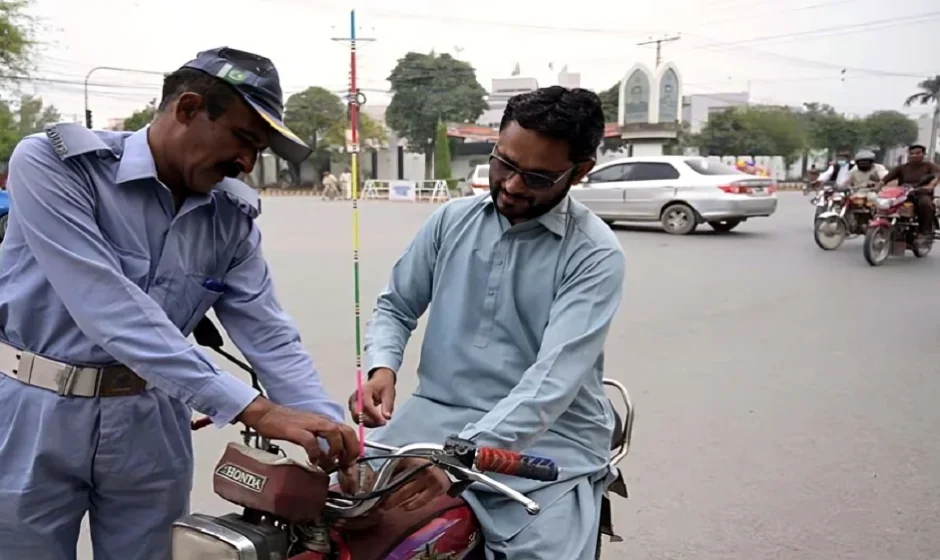
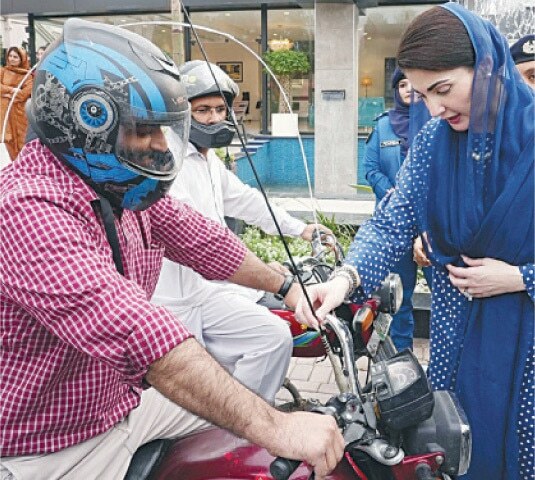
Safety antennas — also known as bike safety rods — are flexible, upward-projecting rods attached to the front of a motorcycle. Their purpose? To intercept any kite string or low-hanging hazard before it reaches the rider’s neck or face.
These antennas:
- Stand 2–3 feet tall
- Are durable yet bendable
- Have a small hook or loop at the top
- Are designed to snap strings instantly
- Do not interfere with bike handling
Countries like Brazil and Vietnam have already made such antennas common due to similar street hazards. Now, Lahore seems ready to follow suit.
A Long-Overdue Reform for Motorcyclist Safety
For years, activists have demanded stronger safety measures for motorcycle riders in Lahore. Pakistan has one of the highest motorcycle-to-car ratios in South Asia, and yet rider protection measures have remained limited to helmets and traffic signals.
The introduction of safety antennas represents the first major step toward reducing string-related injuries, which spike sharply during winter and early spring.
Emergency rooms in Lahore often report:
- Cuts across the neck
- Facial injuries
- Loss of balance due to sudden string contact
- Fatal accidents caused by kite-related hazards
With the installation of antennas, the risk drops significantly.
Citizens React: Relief, Support & Mixed Opinions
As soon as the decision hit the news, Lahore’s social media scene flooded with reactions.
Supporters say:
- “Finally! This should have happened years ago.”
- “Every bike should come with this feature by default.”
- “It will help save lives — especially of delivery boys.”
Many parents also expressed relief, knowing their children who ride daily will now have an added layer of protection.
But some riders are unsure:
- “Will the antennas break easily?”
- “How much will they cost?”
- “Will traffic wardens enforce it strictly?”
Others wondered whether this rule would lead to fines, checkpoints, or mandatory installation deadlines.
Still, even among skeptics, one thing is clear: nobody is against safer roads.
How Lahore’s Roads Will Look Different
It’s not just a policy change — it’s a visual change too. Within weeks, Lahore may begin to look different:
- Motorcycles with long antennas bobbing naturally in traffic
- A more visibly organized traffic flow
- Fewer kite string incidents on major roads
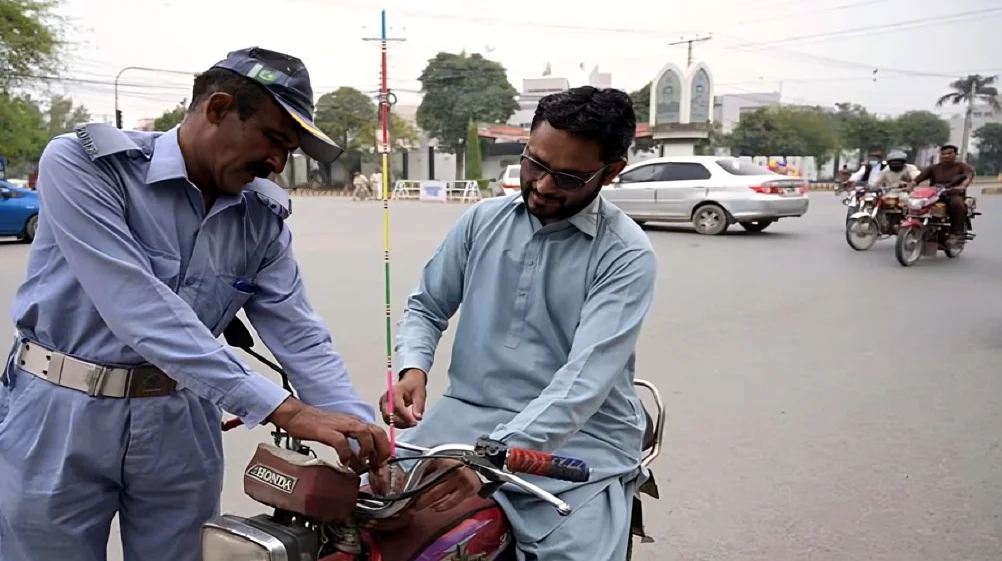
- Police and volunteers helping riders install antennas
This shift may take some getting used to, but safety experts believe the visual impact will normalize quickly.
Enforcement: Will It Be Strict?
Whenever a new rule hits Lahore, the biggest question becomes:
“But will police actually enforce it?”
According to early reports, traffic police will work in phases:
Phase 1 — Awareness
Riders will be informed through:
- Social media
- FM radio traffic segments
- Flyers at signals
- Road banners
- TV news alerts
Phase 2 — Encouraged Installation
Authorities may set up roadside stalls or workshops where antennas are sold and installed affordably.
Phase 3 — Mandatory Compliance
Finally, riders may be fined if they’re found without antennas, similar to helmet rules.
Economic Impact: New Business for Workshops & Mechanics
One surprising angle to the announcement is the economic boost it can bring.
Mechanics, bike workshops, and spare parts vendors see this as a big opportunity. The demand for antennas will likely rise sharply, which means:
- More sales
- More workshop traffic
- New job opportunities
- Local manufacturing boosts
Some motorcycle companies may even introduce new models pre-equipped with safety antennas.
Experts Applaud the Move
Road safety specialists, traffic researchers, and medical experts have praised the CM’s decision. According to them:
- Injury severity could drop by over 60%
- Fatal kite string incidents could reduce dramatically
- Public awareness around road safety will increase
- Lahore can set a model for other cities in Punjab
Experts say this policy must now be followed with consistent enforcement and public education, or else it risks fading like previous safety campaigns.
Beyond Antennas: What Comes Next for Road Safety in Punjab?
While antennas are a big step, Lahore needs more reforms to protect its massive population of bike riders.
Potential next steps include:
- Stricter helmet compliance
- Reflective jackets for nighttime riders
- Improved street lighting
- Awareness on safe lane changing
- Tougher actions during illegal kite-flying seasons
This antenna initiative may just be the beginning of a larger road safety movement.
Final Thoughts: A Small Device With a Big Impact
The Punjab Chief Minister’s order marks a major shift in how Lahore views road safety. A small, simple device — a safety antenna — has the power to save hundreds of lives and prevent thousands of injuries each year.
In a city where motorcycles are essential to daily life, any measure that protects riders deserves full support.
This is more than a policy change.
It’s a signal — a statement — that safety finally comes first.
With proper implementation, Lahore may soon become not just Pakistan’s cultural heart, but one of its safest cities for motorcyclists.