
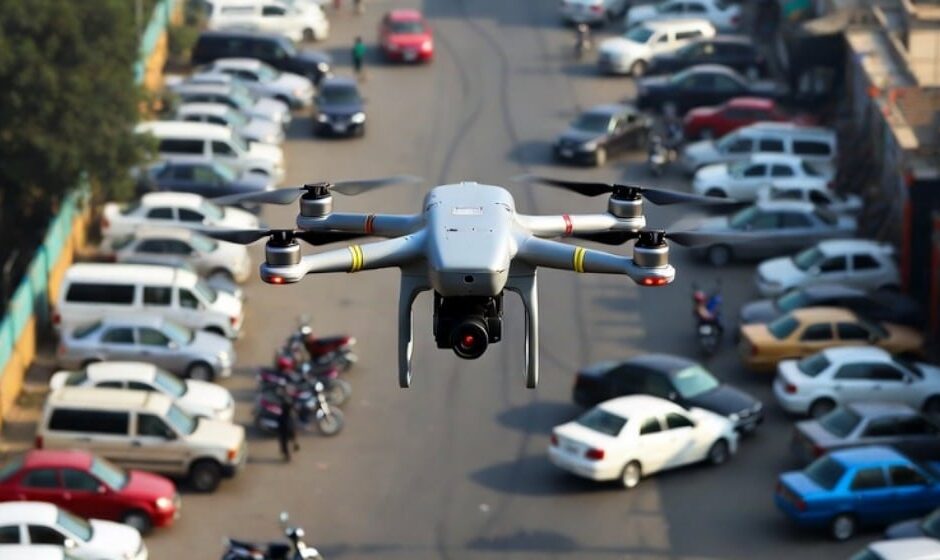

In a major step toward modernizing urban traffic management, Karachi has introduced drone technology for issuing e-challans, significantly expanding traffic surveillance across the city. The initiative marks a shift toward technology-driven law enforcement, aimed at improving road discipline, reducing violations, and easing the burden on on-ground traffic police.
As Pakistan’s largest metropolis continues to struggle with congestion, reckless driving, and enforcement challenges, the use of drones represents a bold move toward smarter and more efficient traffic control.
🚦 A New Era of Traffic Monitoring in Karachi
Karachi’s traffic system has long faced challenges due to its massive population, mixed traffic flow, and limited road infrastructure. Traditional enforcement methods — relying heavily on traffic wardens stationed at intersections — often struggle to keep up with the scale of violations.
The introduction of drones for traffic surveillance and e-challans aims to change that.
Equipped with high-resolution cameras, these drones can monitor traffic from above, capturing clear footage of violations such as:
- Signal breaking
- Illegal U-turns
- Lane violations
- Wrong-way driving
- Illegal parking in restricted zones
The captured evidence is then used to issue electronic challans (e-challans) directly to vehicle owners, reducing the need for physical stops and on-spot fines.
🚁 How the Drone-Based E-Challan System Works
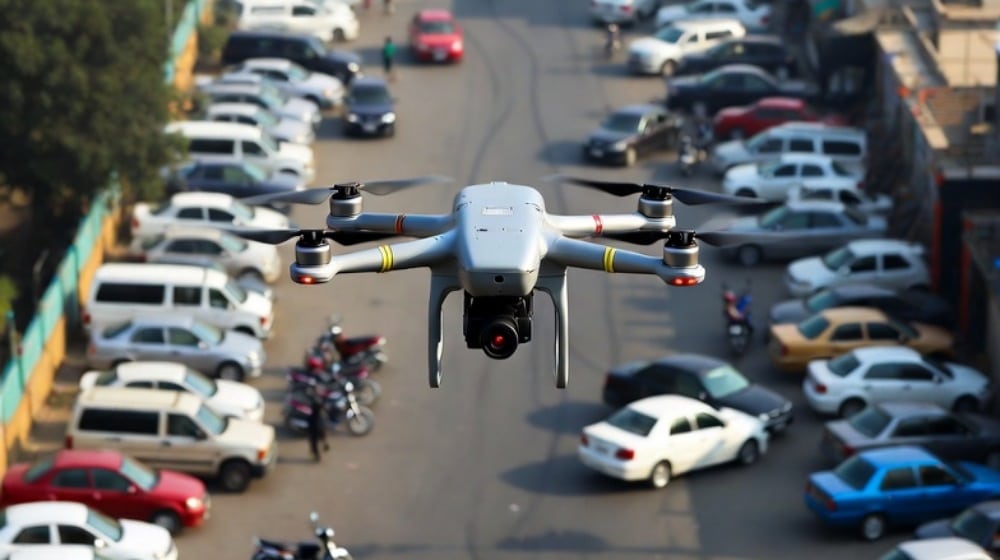
The system integrates aerial surveillance with Karachi Traffic Police’s digital enforcement platform. Here’s how it typically works:
- Drones patrol designated areas, especially high-traffic corridors and congestion-prone intersections
- Live video feeds are monitored by trained traffic officers
- Traffic violations are recorded with time, date, and location stamps
- Vehicle registration details are verified through official databases
- E-challans are generated and sent digitally to vehicle owners
This approach ensures transparency and accuracy, as violations are backed by visual evidence.
📍 Why Drones Are Being Deployed Now
The decision to deploy drones comes at a time when Karachi is experiencing:
- Rising traffic volume
- Increasing road accidents
- Limited manpower for enforcement
- Growing public demand for fair and consistent policing
Authorities believe drones can cover large areas quickly, detect violations that often go unnoticed, and reduce opportunities for human error or misconduct.
Unlike stationary cameras, drones can be repositioned dynamically, making enforcement less predictable and more effective.
🧠 Benefits of Drone-Based Traffic Surveillance
The expansion of drone surveillance brings several advantages for both authorities and citizens:
✅ Improved Enforcement
Drivers are more likely to follow traffic rules when they know violations can be recorded from above — even in areas without visible police presence.
✅ Reduced Traffic Congestion
By discouraging illegal maneuvers and improper parking, drones help improve traffic flow on busy roads.
✅ Safer Roads
Consistent enforcement reduces reckless behavior, contributing to fewer accidents and safer streets.
✅ Less On-Ground Confrontation
With e-challans issued digitally, drivers are not stopped unnecessarily, minimizing traffic disruptions and potential disputes.
🏙️ Areas Likely to See Drone Surveillance
While authorities have not disclosed a complete list, drone surveillance is expected to focus on:
- Major arteries such as Shahrah-e-Faisal and University Road
- Commercial zones with heavy traffic flow
- Accident-prone intersections
- Areas where violations are frequent but difficult to monitor
Over time, coverage may expand as authorities assess effectiveness and public response.
📱 What an E-Challan Means for Motorists
For drivers in Karachi, the drone initiative means greater accountability. An e-challan typically includes:
- Details of the violation
- Date, time, and location
- Photographic or video evidence
- Instructions for payment or appeal
Motorists can usually pay fines online or challenge them through designated legal channels if they believe a challan was issued in error.
Authorities stress that the goal is compliance, not punishment — encouraging drivers to follow rules consistently.
🗣️ Public Reaction: Mixed but Curious
The public response to drone surveillance has been mixed:
- Supporters welcome the move, citing improved discipline and reduced bribery
- Critics raise concerns about privacy and over-surveillance
- Daily commuters express cautious optimism, hoping it leads to smoother traffic
Officials have reassured citizens that drones are strictly used for traffic enforcement, not general surveillance, and operate within defined legal boundaries.
⚠️ Challenges and Concerns
Despite its promise, drone-based enforcement also presents challenges:
- Privacy concerns about aerial monitoring
- Technical limitations, such as weather dependency
- Public awareness gaps, leading to confusion about fines
- Legal clarity, especially regarding evidence admissibility
Authorities acknowledge these concerns and say policies and safeguards are being developed to ensure responsible use of technology.
🌍 Karachi Joins Global Smart City Trends
With this initiative, Karachi joins a growing list of cities worldwide using smart surveillance technologies to manage traffic. From AI-powered cameras to automated ticketing systems, urban centers are increasingly turning to tech to solve congestion and safety issues.
For Karachi, the move signals an effort to align with smart city principles, despite infrastructural and logistical challenges.
🔮 What’s Next for Traffic Management in Karachi?
Officials hint that drones are just the beginning. Future plans may include:
- Expanded AI-based violation detection
- Integration with smart traffic signals
- Real-time congestion monitoring
- Data-driven traffic planning
If implemented effectively, these systems could transform how Karachi manages mobility.
Conclusion
The introduction of drones for e-challans in Karachi marks a significant step toward modern, transparent, and technology-driven traffic enforcement. While challenges remain, the initiative has the potential to improve road safety, reduce congestion, and promote rule-based driving behavior across the city.
As Karachi continues to grow, such innovations will play a critical role in shaping its future. For now, one thing is clear: traffic surveillance has taken to the skies, and drivers will need to adjust to a new era of accountability on the roads.