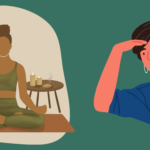

In today’s fast-paced world, balance often feels like an unreachable goal. Between professional responsibilities, personal commitments, and the constant pressure to stay productive, many people find themselves exhausted rather than fulfilled. This is where a lifestyle reset becomes essential—not as an escape, but as a conscious decision to realign priorities and create harmony between work, wellness, and leisure.
A lifestyle reset isn’t about changing everything overnight. It’s about making intentional adjustments that support a healthier, more sustainable way of living.
Why Balance Matters More Than Ever
Modern life glorifies busyness. Long hours, constant connectivity, and multitasking are often mistaken for success. However, without balance, productivity declines, stress increases, and well-being suffers.
Balance allows you to show up fully in every area of life. When work, wellness, and leisure coexist harmoniously, energy flows more naturally. You become more focused at work, more present in personal relationships, and more capable of enjoying downtime without guilt.
A lifestyle reset helps you move from survival mode to intentional living.

Reframing Work: Productivity Without Burnout
Work is a major part of modern life, but it shouldn’t consume it entirely. Creating balance starts with redefining what productivity really means.
Instead of measuring success by hours worked, focus on outcomes and efficiency. Setting clear goals, prioritizing important tasks, and eliminating unnecessary distractions can dramatically improve work quality while freeing up time.
Boundaries are essential. This includes defining work hours, limiting after-hours communication, and allowing yourself to fully disconnect when the workday ends. Remote and hybrid work models have blurred these lines, making it more important than ever to protect personal time.
A lifestyle reset encourages working smarter—not longer.
Wellness as a Daily Practice, Not a Trend
Wellness is often treated as a temporary goal rather than a daily commitment. True wellness goes beyond gym routines and diet plans—it’s about caring for both physical and mental health consistently.
Simple habits make the biggest impact. Regular movement, nutritious meals, proper hydration, and adequate sleep form the foundation of well-being. You don’t need extreme routines; consistency matters more than intensity.
Mental wellness is just as crucial. Managing stress through mindfulness, journaling, therapy, or quiet reflection helps maintain emotional balance. Taking breaks, acknowledging limits, and practicing self-compassion are powerful wellness tools.
A lifestyle reset places wellness at the center of daily life—not as a reward, but as a necessity.
The Importance of Rest and Recovery
Rest is often overlooked in productivity-driven cultures, yet it’s essential for creativity, focus, and resilience. Sleep, relaxation, and mental downtime allow the body and mind to recharge.
Intentional rest means allowing yourself to pause without guilt. Whether it’s a short walk, a quiet evening, or a digital detox, rest restores balance and prevents burnout.
A well-balanced lifestyle respects the rhythm between effort and recovery.
Rediscovering Leisure and Joy
Leisure is not wasted time—it’s a vital component of a healthy lifestyle. Engaging in activities purely for enjoyment enhances emotional well-being and provides relief from daily pressures.
Leisure can be simple: reading, listening to music, cooking, traveling, or spending time with loved ones. These moments create joy, strengthen relationships, and remind us why balance matters.
In a lifestyle reset, leisure is intentional. Instead of filling free time with scrolling or passive consumption, people are choosing meaningful experiences that bring fulfillment and relaxation.
Joy grows when leisure is valued, not postponed.
Creating a Balanced Daily Routine
Balance doesn’t happen by chance—it’s built through thoughtful routines. Morning rituals, structured work hours, wellness breaks, and calming evening habits create a sense of stability.
A balanced routine allows flexibility while maintaining structure. It adapts to changing needs without becoming rigid. Small changes, such as starting the day without screens or ending it with reflection, can transform how life feels.
A lifestyle reset focuses on progress, not perfection.
The Role of Environment in Balance
Your surroundings influence your mental state more than you may realize. A cluttered or chaotic environment can increase stress, while an organized, calming space promotes clarity.
Creating a supportive home environment—through minimalism, natural light, plants, or personal touches—can significantly improve overall well-being. The goal isn’t perfection, but comfort and functionality.
A balanced lifestyle extends beyond habits to the spaces you inhabit.

Letting Go of Guilt and Comparison
One of the biggest obstacles to balance is guilt—guilt for resting, for saying no, or for choosing yourself. A lifestyle reset requires letting go of unrealistic expectations and constant comparison.
Everyone’s version of balance looks different. What works for one person may not work for another. Accepting this truth allows you to create a lifestyle aligned with your values rather than external pressures.
Balance begins with self-acceptance.
Conclusion: Choosing Intentional Living
A lifestyle reset is an ongoing journey, not a one-time decision. By creating balance between work, wellness, and leisure, you build a life that feels sustainable, fulfilling, and aligned.
When work supports your goals, wellness sustains your energy, and leisure brings joy, life feels complete. Balance doesn’t eliminate challenges—it helps you navigate them with clarity and resilience.
In a world that constantly demands more, choosing balance is an act of self-respect. A lifestyle reset isn’t about doing less—it’s about living better.