
In a significant development regarding human rights and accountability, the Peshawar High Court (PHC) on Friday heard six petitions related to missing persons. During the proceedings, Chief Justice SM Atiq Shah sought detailed reports from both federal and provincial governments, as well as all other parties involved, in two of the cases.
The hearings reflect the judiciary’s continued commitment to addressing enforced disappearances and safeguarding citizens’ rights, which remain pressing concerns in the province and across Pakistan.
⚖️ Overview of the Hearings
The six petitions presented to the PHC involved allegations of individuals being reported missing under various circumstances, prompting their families to seek legal recourse. Chief Justice SM Atiq Shah emphasized the need for transparency and timely information, directing authorities to submit comprehensive reports on the status of the missing persons.
The court’s actions signal a proactive judicial approach toward resolving cases of disappearances, ensuring accountability for governmental and administrative authorities.
📝 Chief Justice SM Atiq Shah’s Directions
In two of the cases, the Chief Justice instructed:
- The federal government to provide a detailed account of any actions taken regarding the missing individuals
- The provincial government to submit relevant documentation and investigative reports
- All parties involved, including law enforcement agencies, to cooperate fully with the court and provide accurate information
These directives are aimed at expediting investigations and preventing further delays that often complicate such sensitive cases.

🧍 The Human Impact
Missing persons cases are deeply traumatic for families, leaving them in prolonged uncertainty and emotional distress. Families often face:
- Anxiety over the safety and whereabouts of their loved ones
- Difficulty in navigating bureaucratic or legal procedures
- Limited support from authorities when information is scarce
The PHC’s engagement offers hope to families that the judicial system is actively seeking answers and accountability.
👮 Role of Federal and Provincial Governments
By directing reports from both levels of government, the court highlighted the shared responsibility in addressing missing persons cases. Responsibilities include:
- Conducting thorough investigations
- Coordinating between federal and provincial law enforcement agencies
- Maintaining accurate records and communication with affected families
Judicial insistence on detailed reporting ensures that authorities cannot delay or ignore their obligations, promoting transparency.
🔍 Significance of Judicial Oversight
The PHC’s hearings underline the critical role of the judiciary in human rights protection. Through oversight, the court can:
- Ensure investigative accountability
- Safeguard against arbitrary detentions or abuses
- Encourage governments to follow due process
- Provide a legal avenue for families to seek justice
This is particularly important in regions like Khyber Pakhtunkhwa, where security challenges and administrative complexities can sometimes obscure information about missing persons.
🧠 Challenges in Resolving Missing Persons Cases
Despite judicial directives, several challenges persist:
- Incomplete or delayed reporting by authorities
- Coordination gaps between federal and provincial agencies
- Limited access to information for affected families
- Social and political sensitivities that can slow investigations
PHC’s insistence on detailed reports is a step toward overcoming these challenges, ensuring that cases are handled systematically and with accountability.
🌐 Public and Media Attention
The hearings have attracted attention from human rights organizations, legal experts, and media outlets. Public interest reflects the growing demand for transparency and government accountability in cases of enforced disappearances.
Experts argue that consistent judicial scrutiny, coupled with active reporting and oversight, can reduce the incidence of such cases and restore public trust in institutions.
👨👩👧 Impact on Families and Society
Enforced disappearances have far-reaching social implications:
- Families remain in a state of uncertainty, affecting their psychological and economic well-being
- Communities experience a loss of trust in law enforcement
- Social cohesion is strained when legal processes appear slow or ineffective
The PHC’s intervention aims to restore faith in the legal system and reassure families that justice is being pursued.
🔹 Way Forward
The PHC’s handling of these six petitions suggests a multi-pronged approach:
- Immediate reporting from authorities to provide factual updates
- Judicial monitoring to ensure compliance and accountability
- Legal recourse for families to challenge delays or lack of information
- Public awareness to maintain pressure on institutions for transparency
If followed rigorously, this approach could serve as a model for other provinces dealing with similar cases.
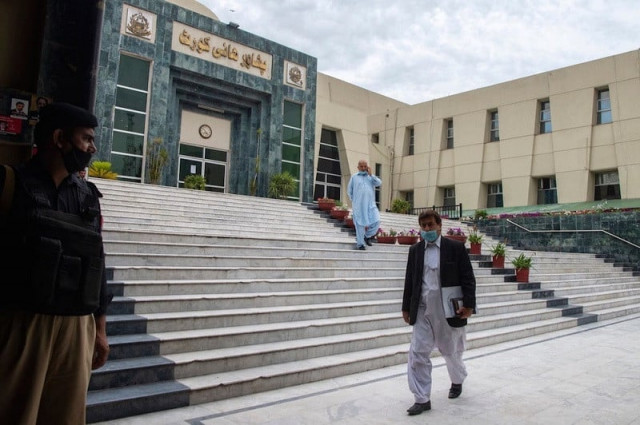
🏛️ Significance for Peshawar and KP
Peshawar, as the provincial capital, plays a pivotal role in administrative coordination for Khyber Pakhtunkhwa. Judicial intervention here:
- Sends a strong signal to local and provincial authorities
- Ensures that cases are tracked systematically
- Strengthens the province’s reputation for upholding human rights and legal accountability
The PHC’s active engagement highlights the importance of urban centers like Peshawar in enforcing rule of law and addressing sensitive human rights issues.
📝 Conclusion
The Peshawar High Court’s hearings on missing persons cases represent a crucial step toward transparency, accountability, and justice. By seeking detailed reports from both federal and provincial authorities, Chief Justice SM Atiq Shah has demonstrated a commitment to resolving sensitive human rights issues and protecting families affected by enforced disappearances.
For families, communities, and human rights advocates, this intervention provides hope that the judiciary is actively monitoring cases, demanding accountability, and paving the way for systematic resolution of missing persons cases in Khyber Pakhtunkhwa.
As investigations proceed, the outcome of these hearings in Peshawar could set important precedents for governance, accountability, and human rights protection across Pakistan.