

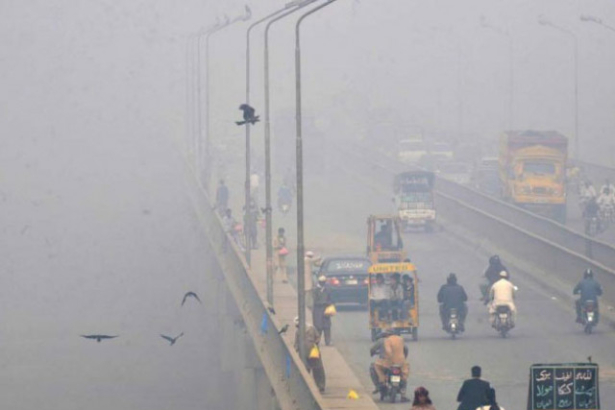
As winter settles over Punjab, the province once again finds itself wrapped not just in cold winds but in the all-too-familiar grey blanket of smog. Each year, Lahore in particular turns into a hotspot of hazardous air quality, prompting public outcry, health alerts, and government measures. But this year, the conversation has taken a new turn.
In a landmark moment, the Lahore High Court has issued an extraordinary directive in the Justice Smog Remediation Case—all heavy vehicles will be checked for emissions, including government and police vehicles themselves. The decision has already caused ripples across administrative units, law enforcement agencies, transport unions, and environmental circles.
This blog explores what the order means, why it’s significant, and how it may transform environmental governance in Punjab.
A Court Order That Breaks Tradition
The Justice Smog Remediation Case has been underway for months, driven by complaints and reports about rising pollution levels, poor monitoring, and insufficient implementation of environmental policies. However, the latest order stands out because it challenges a long-held norm: that government vehicles often bypass checks that ordinary citizens must comply with.
This time, the court made it clear:
No vehicle—private, commercial, or government—is above the law.
The directive includes:
- Trucks
- Buses
- Trailers
- Public transport vans
- Heavy-duty construction vehicles
- Police lorries, prison vans, and even armored carriers
This move has been widely hailed as a step toward fairness and accountability.
Why Heavy Vehicles Are a Major Target
While industrial pollution and seasonal crop burning are common factors behind smog, transport emissions remain a top contributor, especially in urban Punjab. Scientific studies show that:
- Heavy vehicles emit significantly higher levels of nitrogen oxides, sulfur dioxide, and particulate matter.
- Old trucks and buses often run on low-grade fuel, worsening emissions.
- Faulty silencers, unregulated diesel consumption, and excessive smoke add to the problem.
Yet until now, routine inspections rarely included government vehicles, many of which continue operating despite poor maintenance and outdated engines.
The court’s new order aims to eliminate this double standard.
A Push for Environmental Accountability
This ruling is not just about emissions—it’s about governance.
For years, environmental activists have argued that:
- Selective enforcement weakens public trust
- Excuses for official vehicles set a poor example
- Lack of inspections contributes to unchecked pollution
By including police and government fleets in inspections, the court is indirectly asserting a powerful principle:
Accountability starts at the top.
If the state wants citizens to follow laws, the state must follow them first.
Police Reaction: Mixed Responses, Practical Challenges
The decision has been met with a blend of acceptance and concern within police departments.
Supportive Voices
Some senior officers have openly welcomed the inspection, saying it will help upgrade outdated fleets and reduce breakdowns during operations. Cleaner vehicles also project a more responsible and modern image of the department.
Concerns Raised
However, concerns linger:
- Many police vehicles are decades old
- Budget allocations for maintenance are limited
- Emergency-response vehicles cannot be easily pulled off duty
- Replacement parts for older models are hard to procure
Officials have requested the government to establish a phased inspection plan to avoid disruptions in law-and-order operations.
How the Inspections Will Work
While guidelines are still being finalized, the Environmental Protection Department (EPD) is expected to lead the initiative with support from:
- Punjab Safe Cities Authority
- Traffic Police
- Transport Department
Key checkpoints will likely be established at:
- Entry and exit points of major cities
- Motorways and GT Road
- Industrial zones
- Large police lines and headquarters
Inspections will include:
- Smoke testing
- Diesel opacity checks
- Engine health verification
- Silencer inspection
- Fitness certificate renewal
Vehicles failing the test may be temporarily grounded, fined, or ordered for mandatory repairs.
Public Response: A Breath of Fresh Air?
The reaction from citizens has largely been positive. Lahoris, who have endured hazardous smog seasons year after year, see the step as overdue but necessary.
Common sentiments:
- “Finally, the law applies to everyone.”
- “Government vehicles are some of the worst polluters—happy they’ll be checked too.”
- “Hope this isn’t just temporary and continues regularly.”
Parents in particular have expressed relief, given the growing number of children suffering from respiratory illnesses during smog spells.
Environmentalists Applaud the Move
Climate activists and environmental experts have hailed the court’s decision as one of the boldest climate-forward actions taken in Pakistan recently.
Some notable points they emphasize:
1. Smog is a Public Health Emergency
Doctors report spikes in asthma, bronchitis, allergies, and eye infections every year.
2. Transport Emissions Cannot Be Ignored
Pollution from vehicles contributes heavily to PM2.5—one of the deadliest pollutants.
3. Government Must Lead by Example
Strict enforcement becomes more credible when officials follow the rules themselves.
4. A New Environmental Culture Can Begin
If implemented seriously, the order can shift public attitudes toward cleanliness, emissions, and sustainability.
Challenges That Lie Ahead
Despite the positive outlook, the road ahead is not smooth.
1. Implementation Consistency
Pakistan often struggles with follow-through after major announcements.
2. Political Will
Ensuring the order survives bureaucratic resistance will require strong leadership.
3. Fleet Upgradation Costs
Replacing or repairing heavy-duty vehicles, especially government fleets, will demand significant financial resources.
4. Resistance from Transport Sector
Truck and bus owners may push back due to the costs of repairs or emissions compliance.
A Potential Turning Point for Punjab
If enforced properly, this could become one of the most transformative environmental actions in Punjab’s recent history.
Here’s what it could lead to:
- Reduced smog levels
- Healthier winter months
- A cleaner, greener transport system
- A culture of compliance rather than negligence
- More trust in environmental law enforcement
Most importantly, it signals that environmental justice is finally being taken seriously.
Final Thoughts
The Lahore High Court’s decision in the Justice Smog Remediation Case to inspect all heavy vehicles—government, police, and private—marks a bold shift toward fairness and environmental responsibility. It sends a clear message: pollution is a shared problem, and accountability cannot be selective.
Punjab has a long road ahead in its fight against smog, but this decision might just be the turning point the province desperately needed.