

Web Desk:
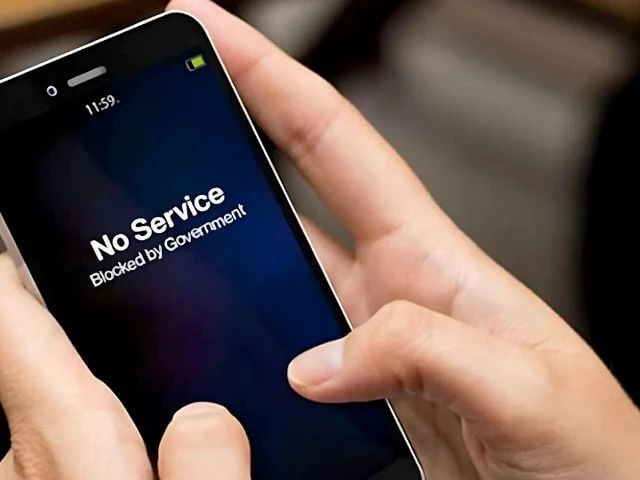
A severe internet slowdown in Quetta has triggered widespread frustration among residents, students, professionals, and businesses, as mobile data services have been partially restricted across the city. While authorities have stopped short of announcing a complete internet shutdown, the drastic reduction in data speeds has rendered mobile internet virtually unusable, creating disruption in daily life and online activities.
From delayed messages to failed video calls, the slowdown has exposed how deeply Quetta now relies on digital connectivity—and how vulnerable the city becomes when that connection is compromised.
📶 What’s Happening to the Internet in Quetta?
Users across Quetta began reporting unusually slow internet speeds, with mobile data struggling to load even basic websites. While signals remain technically active, the reduced bandwidth has meant:
- Messaging apps taking minutes to send texts
- Video calls frequently disconnecting
- Online classes becoming impossible to attend
- Payment apps failing during transactions
Rather than an outright blackout, the partial restriction of mobile data has created a gray zone—where the internet exists, but barely functions.
📱 Why Partial Restrictions Feel Worse Than a Shutdown
Ironically, many users say the current situation feels more frustrating than a complete shutdown. When the internet is officially suspended, people adjust their expectations. But with signals showing “4G” or “LTE” yet failing to work, users are left repeatedly refreshing screens, restarting phones, and wasting time.
Digital experts describe this as a “soft shutdown”—a method that limits connectivity without formal announcements, making it difficult for citizens to plan their work or communication.
🎓 Students and Educators Hit Hard
One of the worst-affected groups is students, especially those enrolled in:
- Online university programs
- Distance learning courses
- Virtual coaching and exam preparation
With online classes, recorded lectures, and digital submissions now common, the slowdown has disrupted academic routines. Many students in Quetta rely entirely on mobile data due to the limited availability of reliable broadband, making the restriction particularly damaging.
Teachers and tutors have also struggled to conduct virtual sessions, leading to canceled classes and postponed assessments.
💼 Businesses Feel the Impact
Small businesses and freelancers are among those paying a heavy price. In an increasingly digital economy, many entrepreneurs in Quetta depend on mobile internet for:
- Online orders and customer communication
- Digital payments and banking apps
- Social media marketing
- Coordination with suppliers
With slow data speeds, even routine tasks like responding to customers or confirming orders have become difficult. For daily-wage workers and freelancers, this translates into direct financial losses.
🏥 Healthcare and Emergency Communication
The internet slowdown has also raised concerns about healthcare communication. Hospitals, clinics, and pharmacies increasingly use digital platforms to:
- Share medical reports
- Coordinate staff
- Communicate with patients
Slow connectivity risks delays in information sharing, particularly in emergencies where every minute matters. Families attempting to contact doctors or emergency services through online channels have faced difficulties.
🗣️ Public Reaction: Frustration and Confusion
Social media platforms—ironically accessed with difficulty—are filled with complaints from Quetta residents describing the slowdown as:
- “Unbearable”
- “Mentally exhausting”
- “Crippling for work and study”
Many users are questioning why there has been no clear public announcement explaining the restrictions. The lack of transparency has fueled speculation and anxiety, with residents unsure how long the slowdown will last.
🔐 Security Measures vs Digital Rights
Internet restrictions are often implemented during sensitive periods due to security concerns. However, digital rights advocates argue that:
- Blanket slowdowns affect millions of innocent users
- There is little distinction between targeted security measures and mass disruption
- Prolonged restrictions harm economic activity and education
Experts suggest that authorities need to strike a balance between maintaining security and preserving citizens’ right to connectivity, especially in an era where the internet is essential for basic services.
🌍 Quetta’s Growing Digital Dependence
Over the past decade, Quetta has experienced a gradual shift toward digital integration. Mobile internet is no longer a luxury—it is a necessity for:
- Government services
- Banking and payments
- Education
- Employment
The current slowdown has highlighted how dependent the city has become on mobile data, especially in areas where fixed broadband infrastructure remains limited or unreliable.
📉 Economic Cost of Internet Disruptions
Economists warn that repeated internet disruptions carry long-term consequences, including:
- Reduced investor confidence
- Slower business growth
- Loss of income for freelancers and startups
- Disruption of e-commerce activities
For a city already facing economic challenges, such disruptions can deepen inequality and slow development.
📡 Telecom Users Demand Clarity
Residents are now calling on:
- Authorities to clearly explain the reason for the slowdown
- Telecom companies to communicate expected timelines
- Policymakers to adopt more transparent digital governance
Clear communication, users argue, would at least allow people to plan their work, studies, and daily activities accordingly.

🔮 What Needs to Change
Digital experts suggest several steps to reduce the impact of such situations in the future:
- Transparent public announcements regarding restrictions
- Time-bound and targeted measures instead of prolonged slowdowns
- Investment in resilient internet infrastructure
- Protection of essential services like education, healthcare, and banking
These steps could help minimize disruption while still addressing security concerns.
📝 Conclusion
The severe internet slowdown in Quetta has once again highlighted the fragility of digital connectivity in the city. While mobile data services remain technically active, the drastic reduction in speeds has effectively cut thousands of users off from education, work, healthcare, and communication.
In a world where connectivity underpins daily life, partial internet restrictions can be just as damaging as complete shutdowns—if not more. As frustration grows, the situation underscores the urgent need for transparent policies, better infrastructure, and balanced decision-making.
For Quetta’s residents, the hope remains that normal internet services will be restored soon—allowing the city to reconnect, rebuild productivity, and move forward in an increasingly digital era.