
In a major infrastructure development that promises to reshape daily commuting, authorities have unveiled plans for a new signal-free corridor between Rawalpindi and Islamabad. The ambitious project aims to reduce chronic traffic congestion, improve travel time, and enhance connectivity between the twin cities—two of Pakistan’s most densely populated and economically active urban centers.
For residents of Rawalpindi, who regularly commute to Islamabad for work, education, and business, the announcement has sparked widespread interest and optimism.
🚧 A Long-Awaited Solution to Twin Cities’ Traffic Woes
Traffic congestion between Rawalpindi and Islamabad has long been a daily struggle. Thousands of vehicles move between the two cities every morning and evening, often getting stuck at traffic signals, bottlenecks, and overcrowded intersections.
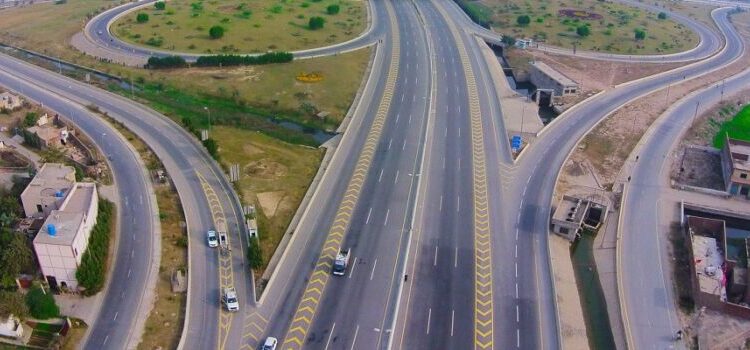
The proposed signal-free corridor is designed to eliminate these hurdles by offering uninterrupted movement through underpasses, flyovers, and dedicated lanes—allowing commuters from Rawalpindi to reach Islamabad smoothly without frequent stops.
🏙️ Why Rawalpindi Stands to Benefit the Most
Rawalpindi serves as a major residential and commercial hub, with a large portion of its population working in Islamabad. Areas such as Saddar, Chaklala, and Murree Road witness massive traffic flow during peak hours.
The new corridor is expected to:
- Reduce daily travel time for Rawalpindi residents
- Ease pressure on existing roads like Murree Road
- Improve access to business districts and government offices
- Support economic activity in Rawalpindi
Urban planners believe the project could significantly improve quality of life for daily commuters.
🛣️ Key Features of the Signal-Free Corridor
Although final design details are yet to be officially released, initial planning highlights include:
- Multiple flyovers and underpasses
- Controlled access points for smoother traffic flow
- Modern traffic management systems
- Dedicated lanes for emergency vehicles
- Improved pedestrian safety infrastructure
The corridor is expected to meet modern urban transport standards, aligning with Islamabad’s existing signal-free road network.
⏱️ Time-Saving and Fuel Efficiency
One of the biggest advantages of the project is time efficiency. Currently, commuting from Rawalpindi to Islamabad during rush hours can take anywhere from 45 minutes to over an hour.
With uninterrupted traffic flow, officials estimate:
- Travel time could be reduced by up to 50%
- Fuel consumption would decrease significantly
- Vehicle emissions would be reduced
This makes the project not just convenient but also environmentally beneficial.
🌱 Environmental and Urban Impact
Traffic congestion contributes heavily to air pollution in Rawalpindi and Islamabad. Stop-and-go traffic increases fuel burn and emissions, worsening air quality.
A signal-free corridor promotes smoother driving patterns, which can:
- Lower carbon emissions
- Reduce noise pollution
- Improve overall air quality
- Support greener urban planning
Environmental experts see this as a step toward sustainable urban development in the twin cities.
🏗️ Boost to Economic and Commercial Activity
Improved connectivity between Rawalpindi and Islamabad is expected to stimulate economic growth. Faster transport benefits:
- Small and large businesses
- Logistics and delivery services
- Educational institutions
- Healthcare facilities
Real estate experts also predict increased property value along the corridor in Rawalpindi, as improved accessibility often attracts investment and development.
🚦 Public Reaction and Expectations
The announcement has generated mixed reactions among citizens of Rawalpindi. While many welcome the project, others have raised concerns about:
- Construction-related disruptions
- Land acquisition challenges
- Environmental impact during development
However, most commuters agree that long-term benefits outweigh short-term inconvenience, especially given the current traffic situation.
🏛️ Government Vision for Modern Infrastructure
The signal-free corridor is part of a broader government vision to modernize Pakistan’s urban infrastructure. Similar projects in Islamabad have already demonstrated success in reducing congestion and improving traffic management.
Officials believe extending such infrastructure to connect Rawalpindi will:
- Integrate the twin cities more effectively
- Improve urban mobility
- Support future population growth
This project highlights the growing recognition of Rawalpindi’s role as a key urban center.
📈 Challenges Ahead
Despite its promise, the project will face challenges, including:
- Managing traffic during construction
- Coordinating between multiple authorities
- Ensuring timely completion
- Maintaining transparency in execution
Urban development experts stress the importance of careful planning and public communication to ensure the project’s success.
🔮 What This Means for the Future of Rawalpindi
Once completed, the signal-free corridor could redefine daily life for Rawalpindi residents. Faster commutes mean:
- More time for family and leisure
- Reduced stress for drivers
- Improved work-life balance
Over time, the corridor may also encourage further infrastructure upgrades, positioning Rawalpindi as a modern, well-connected city.
📰 Breaking News That Signals Progress
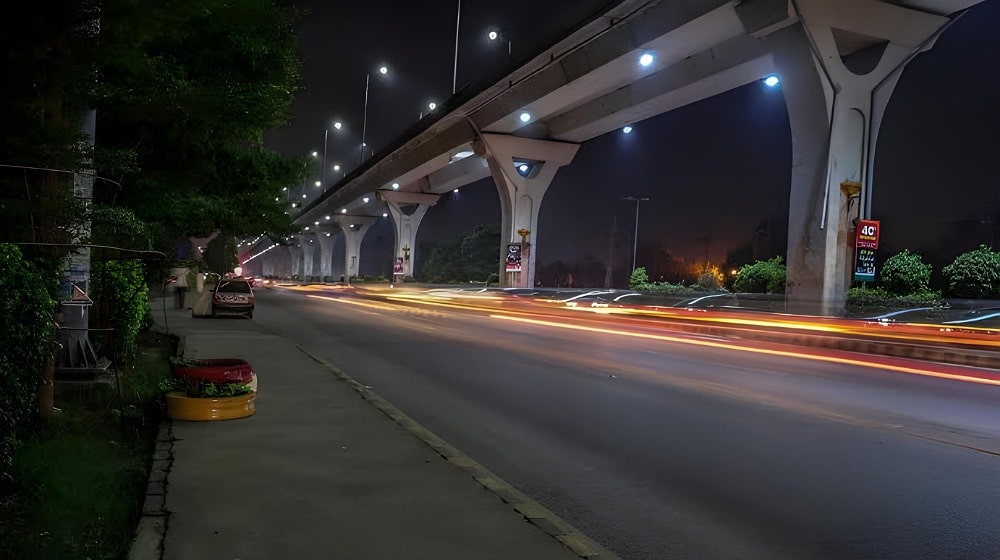
Infrastructure development often reflects a city’s growth trajectory. This signal-free corridor is more than just a road project—it is a statement of intent to modernize transport, reduce urban chaos, and support economic expansion.
For Rawalpindi, the project represents a step toward smoother mobility and smarter urban planning.
📝 Conclusion
The planned Rawalpindi–Islamabad signal-free corridor has the potential to transform commuting in Pakistan’s twin cities. By reducing congestion, saving time, and improving connectivity, the project promises long-term benefits for residents, businesses, and the environment.
While challenges remain, effective execution could turn this initiative into one of the most impactful urban infrastructure projects in recent years. For the people of Rawalpindi, it’s a development worth watching—one that could finally bring relief from daily traffic struggles and usher in a new era of modern urban mobility.