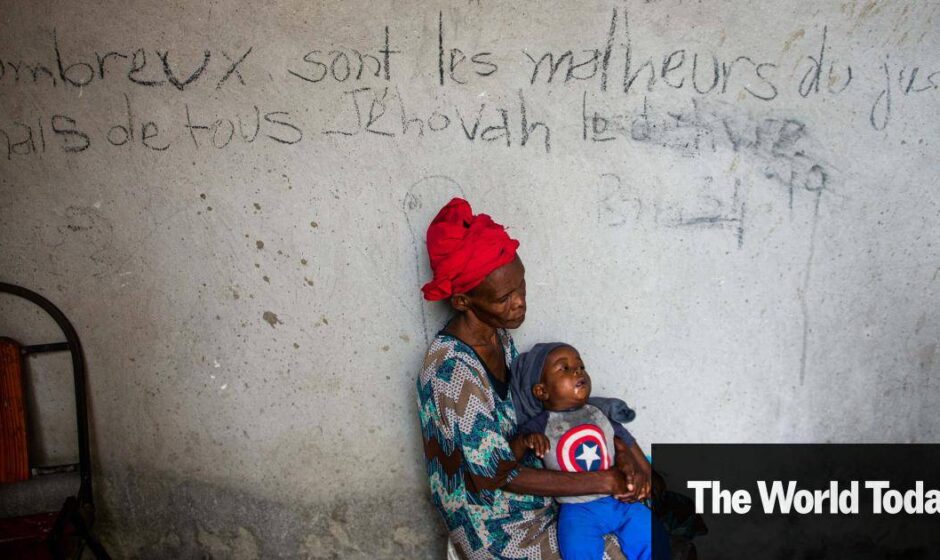

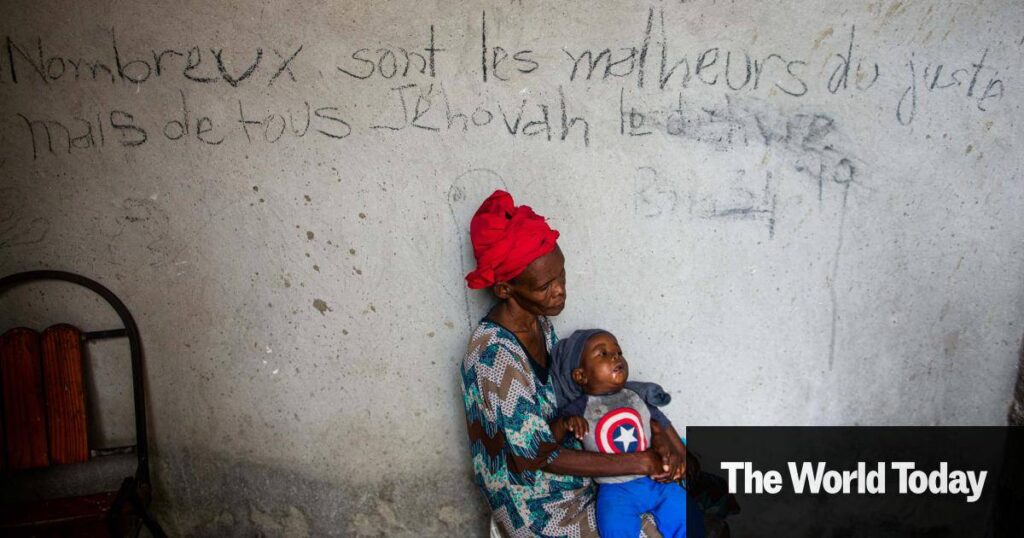
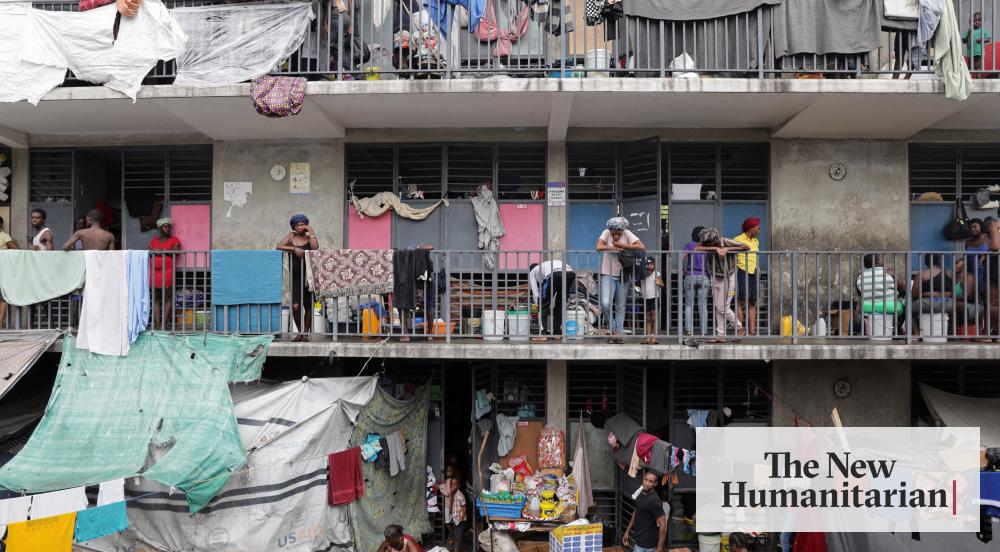
When Tom Fletcher, the United Nations’ humanitarian chief, walked through the shattered neighborhoods of Port-au-Prince in September, he encountered a country exhausted by violence. From overcrowded tent cities housing the displaced to women-led centers caring for survivors of sexual assault, Haitians delivered a single, desperate message: they are tired of living in fear and want peace.
Yet as the UN prepares a new international security mission aimed at restoring order in Haiti, a troubling question looms—can another foreign force succeed where so many others have failed? History, conditions on the ground, and the nature of Haiti’s crisis suggest the answer is no.
A Capital Held Hostage
Port-au-Prince is no longer governed in any meaningful sense. Armed gangs control major roads, ports, fuel terminals, and entire neighborhoods. Kidnappings, sexual violence, and extortion have become daily realities. Schools are shut, hospitals barely function, and basic humanitarian access is often blocked by gunmen.
What makes Haiti’s crisis unique is not just the scale of violence—but the absence of a functioning state. There is no effective police force, no credible political leadership, and no monopoly on violence. Gangs are not insurgents with political demands; they are criminal networks thriving on chaos.
This distinction matters. You cannot negotiate peace with organizations that profit from disorder.
The Promise—and Limits—of the New UN Force
The UN-backed mission, led by foreign personnel and designed to support Haiti’s overwhelmed police, is framed as a stabilizing intervention. Its mandate focuses on restoring security, protecting civilians, and enabling humanitarian aid.
But such missions rely on two assumptions:
- That limited force can deter heavily armed gangs
- That security alone can create political stability
Both assumptions are deeply flawed in Haiti’s context.
Gangs in Port-au-Prince are not lightly armed street criminals. Many possess military-grade weapons, control territory like warlords, and operate with near impunity. A lightly structured international force risks becoming either ineffective—or entangled in violence without an exit strategy.
A History Haitians Haven’t Forgotten
Haitians carry painful memories of past international interventions. Previous UN missions were marred by scandal, abuse, and devastating mistakes—including the introduction of cholera, which killed thousands.
For many Haitians, foreign troops represent temporary control, not lasting solutions. Each mission arrived promising stability and departed leaving the same broken institutions behind.
This history has eroded trust. Even those desperate for security worry that the new force will repeat the same cycle: suppress violence briefly, then leave without addressing the roots of collapse.
Security Without Governance Is an Illusion
The UN’s focus on security overlooks a deeper truth: Haiti’s crisis is political and institutional, not merely violent.
There is no legitimate government with the authority to partner meaningfully with international forces. Elections have been delayed repeatedly. Political factions are fragmented. Corruption is endemic. In such an environment, security gains—if achieved—are fragile and reversible.
Without rebuilding governance, the police force, the judiciary, and public trust, gangs will simply wait out the intervention.
They always do.
Gangs as an Economic System
One of the most misunderstood aspects of Haiti’s gang problem is that gangs have become an alternative economy. They provide income, protection, and identity in a country where the state provides almost nothing.
Young men join gangs not because of ideology, but survival. Women and children are trapped in cycles of exploitation because there are no alternatives.
A foreign security force cannot dismantle an economic system rooted in desperation.
The Humanitarian Reality
Tom Fletcher’s visit highlighted the human cost of failure. Women fleeing sexual violence, families living in tents, children growing up amid gunfire—this is not collateral damage; it is the crisis itself.
Humanitarian agencies struggle to operate because insecurity blocks access. Yet without political reform and economic support, humanitarian aid becomes a bandage on a bleeding wound.
Peace is not merely the absence of gunfire. It is dignity, opportunity, and hope—none of which can be delivered at gunpoint.
Why Gangs Will Adapt, Not Retreat
Gangs in Haiti are adaptable. They have survived political transitions, police crackdowns, and foreign interventions. They will adjust tactics—avoiding confrontation, blending into civilian areas, or exploiting corruption within security forces.
An international mission without deep intelligence, long-term commitment, and local legitimacy risks becoming a symbolic presence rather than a decisive force.
Worse, failure could embolden gangs further.
What Real Solutions Would Require
If the international community is serious about helping Haiti, security forces must be part of a much broader strategy:
- A credible political transition process
- Rebuilding the Haitian National Police
- Anti-corruption enforcement
- Economic investment and job creation
- Community-led violence prevention
- Accountability for political and criminal elites
None of this fits neatly into a short-term mandate.
The Hard Truth
Haiti does not need another temporary force designed to manage chaos. It needs sustained, coordinated international engagement that prioritizes institution-building over optics.
The UN’s new mission may reduce violence in isolated pockets. It may open corridors for aid. But it will not dismantle the gang system that has replaced the state.
And it will not give Haitians what they most desperately want: a future free from fear.
Conclusion
Tom Fletcher heard Haitians say they want peace. That desire is real, urgent, and heartbreaking. But peace cannot be imported—it must be built.
Without political legitimacy, economic recovery, and institutional reform, the UN’s new force risks becoming another chapter in a long history of well-intentioned failure.
Haiti’s gangs are not just armed groups; they are symptoms of abandonment. Until the world addresses that abandonment, no force—no matter how international—will save Haiti from its violence.