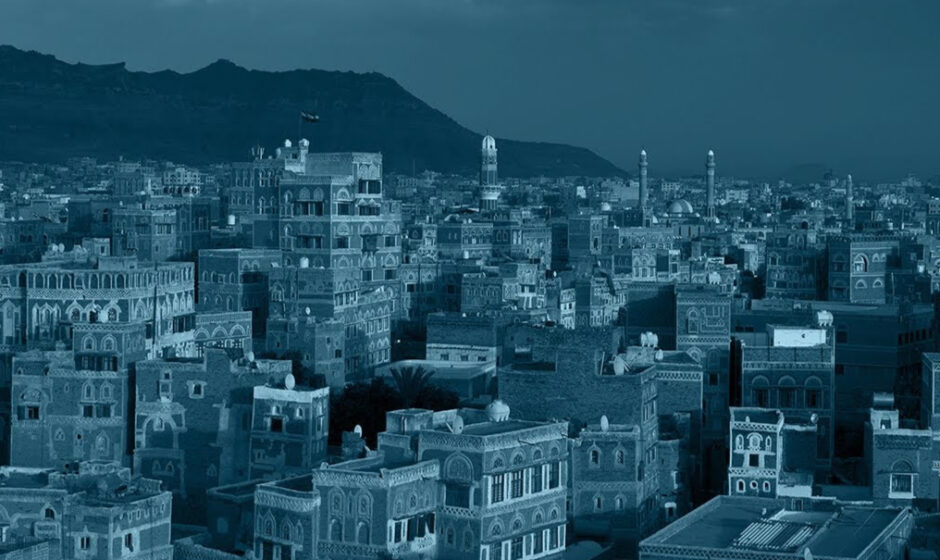

After nearly a decade of conflict, Yemen remains one of the world’s most complex humanitarian and political crises. While international attention often focuses on the Saudi-led coalition, the Houthi movement, and regional power rivalries, Yemen’s internal political actors continue to shape the country’s fragile future. Among them, the Islah Party—Yemen’s largest Islamist-leaning political group—has undergone a significant evolution in both strategy and vision.
As the conflict enters a new phase marked by ceasefires, negotiations, and shifting alliances, Islah’s role offers critical insight into how Yemen may transition from war toward a post-conflict society.
Understanding Yemen’s Long Conflict
Yemen’s war erupted in 2014 when the Houthi movement seized control of the capital, Sana’a, triggering a regional intervention led by Saudi Arabia. What followed was not a single war, but overlapping conflicts involving political factions, tribal forces, separatists, and foreign powers.
The prolonged fighting devastated Yemen’s infrastructure, displaced millions, and weakened state institutions. In this fragmented landscape, political parties like Islah were forced to adapt—sometimes aligning with unlikely partners, sometimes retreating from the spotlight to ensure survival.
Who Is the Islah Party?
Founded in 1990, Islah (Yemeni Congregation for Reform) is a broad coalition rather than a monolithic Islamist movement. It combines:
- Muslim Brotherhood-inspired ideology
- Powerful tribal networks
- Conservative religious scholars
- Business and political elites
Before the war, Islah was a major political force, participating in elections and holding government positions. However, the conflict dramatically altered its standing, forcing it to navigate between armed struggle, political legitimacy, and regional sensitivities.
Islah’s Shifting Role During the War
At the outset of the conflict, Islah opposed the Houthi takeover and supported the internationally recognized government. Its members joined resistance forces in several provinces, particularly in Marib and Taiz.
Over time, however, Islah adopted a more pragmatic and cautious approach. Facing pressure from multiple directions—Houthis on one side, anti-Islamist regional actors on the other—the party scaled back overt military involvement and emphasized political engagement.
This shift reflects a broader lesson learned during the war: survival in Yemen’s fractured political environment requires flexibility rather than ideological rigidity.
Navigating Regional Politics
One of Islah’s biggest challenges has been its association with the Muslim Brotherhood, which complicated its relationships with some regional powers. As Gulf politics hardened against Islamist movements, Islah sought to rebrand itself as a national political actor rather than an ideological extension of foreign groups.
This repositioning included:
- Emphasizing Yemeni nationalism
- Supporting unity against armed militias
- Avoiding direct confrontation with regional allies
By doing so, Islah aimed to maintain relevance while avoiding isolation in regional diplomacy.
A Vision Beyond the Battlefield
As talk of political settlements grows, Islah has increasingly focused on its vision for a post-war Yemen. Party leaders have publicly emphasized governance, reconciliation, and institutional rebuilding over continued militarization.
Key elements of this vision include:
- A civilian-led political system
- Stronger state institutions
- Decentralized governance
- Rule of law and accountability
Islah has framed itself as a stabilizing force capable of bridging Yemen’s ideological, tribal, and regional divides.
Commitment to Political Pluralism
Unlike some armed actors in Yemen, Islah supports political pluralism and multiparty democracy—at least in principle. The party has repeatedly called for inclusive dialogue involving all Yemeni factions, excluding only those it accuses of imposing power through force.
Analysts note that this stance allows Islah to position itself as a legitimate political stakeholder rather than a militia-driven movement, increasing its relevance in peace negotiations.
Reconstruction and Social Justice
Beyond politics, Islah has highlighted social reconstruction as central to Yemen’s recovery. Party representatives argue that rebuilding trust between communities is just as important as rebuilding roads and hospitals.
Their post-war priorities include:
- Education reform
- Economic recovery
- Support for displaced families
- Anti-corruption measures
In a country where youth unemployment and poverty fueled instability long before the war, these issues resonate deeply with ordinary Yemenis.
Criticism and Internal Challenges
Despite its efforts to evolve, Islah faces criticism from multiple sides. Opponents accuse it of opportunism, while critics within Yemen argue the party failed to prevent the country’s collapse before the war.
Internally, Islah must also reconcile its ideological roots with the demands of a modern, post-conflict state. Younger members increasingly push for reform, transparency, and reduced reliance on traditional power structures.
How Islah handles these internal debates may determine its long-term credibility.
Islah’s Role in a Peace Process
As international mediators seek a durable political settlement, Islah is likely to play a behind-the-scenes role rather than dominate the process. Its extensive tribal and social networks, however, give it influence that cannot be ignored.
Observers believe Islah could:
- Facilitate local ceasefires
- Support transitional governance
- Help reintegrate armed groups into civilian life
This quiet influence may prove more valuable than overt political dominance.
What the Future Holds
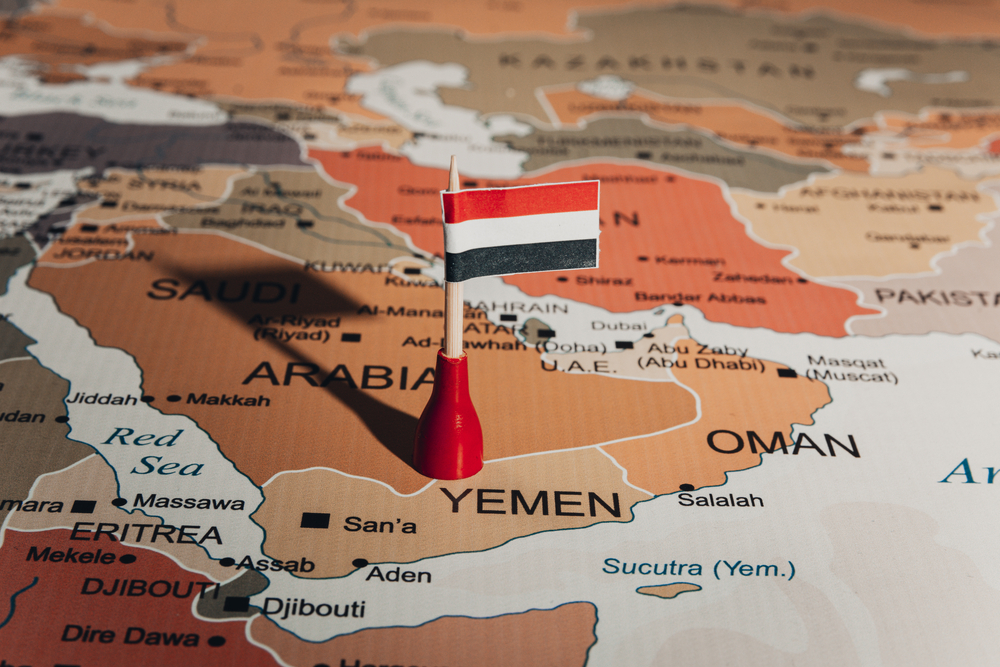
Yemen’s future remains uncertain, but one reality is clear: no single actor can rebuild the country alone. Islah’s evolving role—from wartime resistance to political pragmatism—reflects the broader shift needed across Yemen’s political landscape.
If the party successfully balances ideology with inclusivity, and power with accountability, it could contribute meaningfully to a post-war Yemen that prioritizes stability over dominance.
Conclusion
The Islah Party’s journey through Yemen’s conflict mirrors the country’s own painful transformation. Once a powerful political force, then a wartime survivor, Islah now faces its most critical test: proving that it can help build peace rather than merely navigate chaos.
As Yemen edges toward a post-war chapter, Islah’s evolving role—and its vision for governance, reconciliation, and reform—will shape whether the country moves toward lasting stability or remains trapped in cycles of conflict. The coming years will determine whether Islah becomes a cornerstone of Yemen’s recovery or another chapter in its turbulent political history.